Recommended Commercial Pedal Cars & Tricycles
Explore high-durability, BIS-certified, and EN71-compliant pediatric ride-on solutions optimized for global retail and B2B wholesale distribution.
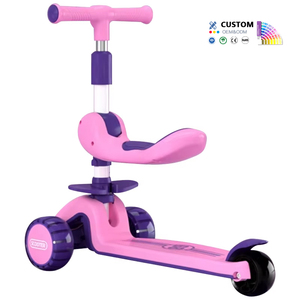
Wholesale Kids Ride on Bike Toy Big 3 Wheel With Led Light and Music Kids Tricycle Children Scooter With Detachable Folding Seat
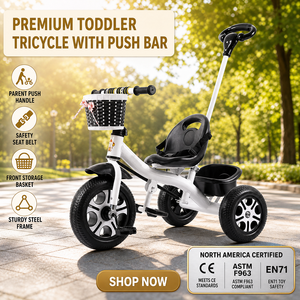
Kids Tricycle Best Sale 3 Wheels High Quality Baby Bicycle With Front Basket For 2 To 7 Years Old Children Tricycle For Sale
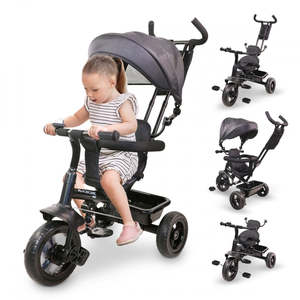
Mobiclinic LULU Black 3-in-1 Adjustable Tricycle Evolutionary Lightweight Design for 1-6 Years 18 Months 5 Years Baby Tricycle
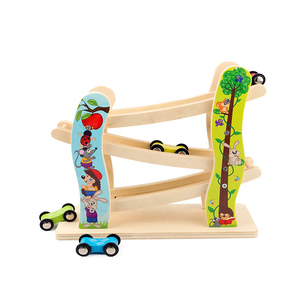
OEM Wooden Toys Classic Bassha Der Kelana 2023 Car Kids Tricycle Ramp Sliding Cars For Kids
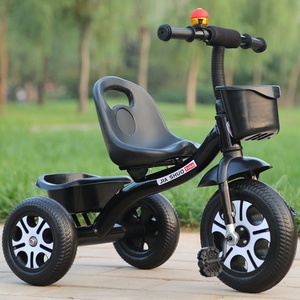
Children's Metal Tricycle Pedal Pushcart Bicycle for 3-6 Year Old Large Baby and Toddler Stroller
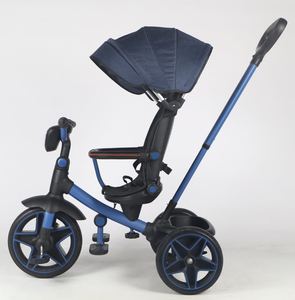
Kids Baby Trike Tricycle With Safety Music And Light Children Tricycle Baby Stroller 3 EVA Wheels Push Baby Tricycle
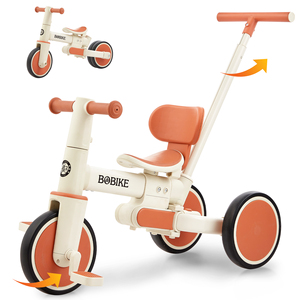
Bobike 5-in-1 Tricycle for Toddlers 18 Months to 5 Years Old, Toddler Bike, Kids Tricycle with Push Handle and Backrest(Beige)
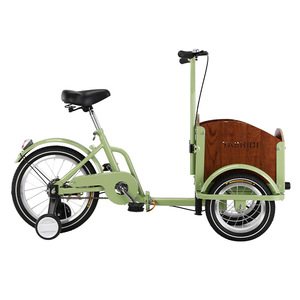
Foldable Pedal Tricycle With Training Wheels Inverted For Children For Carrying Goods And Pets
Enterprise Excellence & Manufacturing Infrastructure
Tripple Ess Toys Pvt. Ltd. — Engineering Safe, Sustainable, and Certified Play Solutions Since 1988
In-House Tooling, Precision Injection Moulding & OEM Scalability
Headquartered in the premier industrial zone of Noida, India, Tripple Ess Toys Pvt. Ltd. stands as a benchmark for high-volume, precision plastic toy manufacturing. Operating out of an expansive 40,000 sq. ft. modern production facility, we maintain absolute vertical control over the complete production lifecycle—from 3D CAD rapid prototyping and custom steel mold tooling to high-speed polymer injection, multi-color pad printing, and stringent drop-test QA protocols.
Our facility integrates eco-friendly non-toxic polymers, fully virgin food-grade High-Density Polyethylene (HDPE), and Polypropylene (PP), guaranteeing compliance with international safety benchmarks including ASTM F963, EN71-1/2/3, and BIS IS 9873 standards. Whether servicing tier-1 global retail buyers or private-label OEM brands, our operational workflow is designed for low lead times, high dimensional consistency, and maximum structural integrity.
1. Global Pedal Car & Tricycle Market Analysis: Sourcing Trends 2025–2030
The global juvenile ride-on and pedal car market is undergoing a seismic structural transition driven by shifting consumer ergonomics, heightened regulatory safety scrutiny, and an unprecedented demand for modular, eco-conscious play equipment. As global B2B buyers, institutional procurement managers, and importers navigate supply chain realignments, understanding key technological and demographic trends becomes essential for maintaining margin profitability and brand equity.
1.1 Shifts in Material Science & Sustainable Polymer Engineering
Historically dominated by standard recycled plastics and heavy steel tubing, the modern pedal car manufacturing ecosystem is rapidly adopting high-rigidity, low-mass hybrid materials. Modern manufacturers utilize virgin polypropylene (PP) formulated with anti-UV stabilizers and non-phthalate plasticizers. This transition extends outdoor operational product lifespans under intense solar radiation while eliminating chemical off-gassing risks.
1.2 Comparative Material Benchmark Matrix for B2B Sourcing
Selecting the optimal structural framework directly impacts freight optimization, warranty return rates, and safety certifications. Below is an engineering comparison of the primary structural materials utilized in modern pedal cars:
| Material Classification | Structural Rigidity & Tensile Strength | Weight Impact on Freight Logistics | Weather & UV Resistance Rating | Target Retail Segment |
|---|---|---|---|---|
| Virgin HDPE / PP Molded Frame | High flexural strength; impact resistant | Optimized / Low (Reduced Container Costs) | Excellent (With UV-8 Stabilizer Additives) | Mass Market Retail / Early Childhood (1-5 Yrs) |
| Tubular Carbon Steel Alloy | Extreme tensile load-bearing capacity (>50kg) | Moderate to Heavy (Requires CKD Packaging) | Requires Electrostatic Powder Coating | Premium Heavy-Duty & Rental Playgrounds |
| Eco-Polymer Wood Hybrid | High aesthetic appeal; moderate flex | Moderate | Interior / Protected Outdoor Use | Niche Educational & Boutique Toy Chains |
1.3 Supply Chain Realignment: The Rise of India as a Global Manufacturing Hub
As global importers seek to mitigate supply chain concentration risks ("China Plus One" sourcing strategy), India's manufacturing ecosystem has emerged as a premier destination for juvenile plastic products. Supported by robust domestic petrochemical refining, competitive skilled labor, and stringent domestic quality mandates like the Bureau of Indian Standards (BIS) certification, Indian manufacturers provide an exceptional ratio of structural quality to FOB pricing.
2. Engineering Innovations & Product Development Trends
Modern pediatric biomechanics demonstrate that early physical activity through pedaling significantly accelerates cross-body motor control, spatial reasoning, and lower-limb muscular development. Consequently, pedal car architecture has evolved far beyond basic toy designs into sophisticated ergonomic development platforms.
2.1 Evolutionary "Grow-With-Me" Multi-Stage Ergonomics
The single-age-bracket toy model is being rapidly superseded by multi-stage modular systems. Products such as 3-in-1 and 5-in-1 evolutionary tricycles allow seamless transition from parent-guided push strollers to independent trikes and balance bikes. Key engineering features driving this evolution include:
- Tool-Less Quick-Release Mechanism: Enables quick detachment of parent push bars, footrests, and protective safety guards.
- Adjustable Steering Rod Kinematics: Linkage mechanisms housed within the frame tubing that allow smooth steering control from the rear handle without exposing pinch points.
- 3-Position Sliding Seat Platforms: Accommodates variations in child leg length across a 36-month developmental growth curve.
2.2 Wheel Technology & Acoustic Damping Innovations
A major consumer pain point in traditional ride-ons has been wheel wear and surface vibration noise. Leading exporters have phased out hard hollow plastic wheels in favor of co-molded EVA (Ethylene-Vinyl Acetate) foam tires and thermoplastic rubber (TPR) treads. These advanced wheel assemblies offer:
- Puncture-Proof Durability: Eliminates pneumatic maintenance while maintaining shock-absorption profiles over rough asphalt.
- Silent Operation: Reduces decibel emissions by over 60% during indoor use on hard floors.
- Sealed Precision Ball Bearings: Reduces rolling resistance, allowing toddlers to pedal with minimal muscular force.
B2B Sourcing & Manufacturing FAQ
Essential guidance for international importers, wholesale distributors, and retail procurement managers.
Partner with India’s Premier OEM Toy Manufacturer
Elevate your retail product catalog with high-margin, certified, and structurally superior pedal cars and tricycles. Work directly with our engineering team for custom OEM tooling and flexible global shipping options.