Featured Commercial & Micro Electric Vehicle Models
Direct from Factory Direct Production Lines — Rigorously Tested, Certified, and Engineered for Global Wholesale & Retail Supply Chains
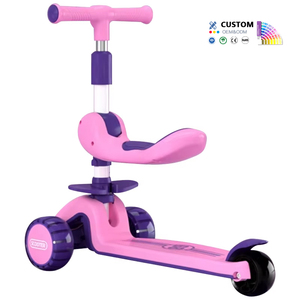
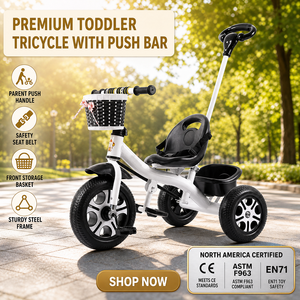
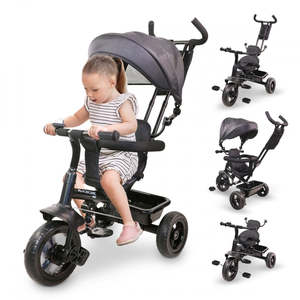
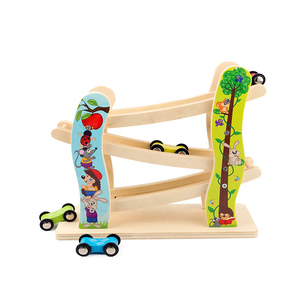
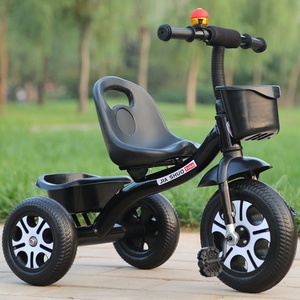
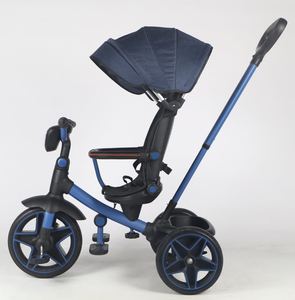
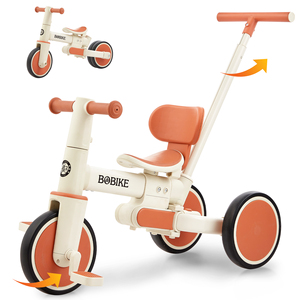
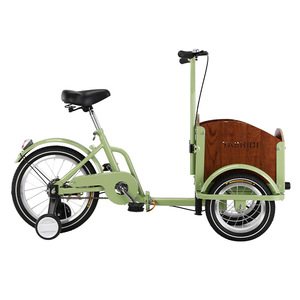
China Electric Vehicle & Micro-EV Manufacturing Whitepaper: OEM Procurement & Industrial Trends
The global transition toward electrified personal, commercial, and micro-mobility solutions has placed Chinese manufacturing clusters at the center of international trade. As a tier-1 China Electric Car Factory and OEM Supplier, our industrial infrastructure spans automated injection molding, specialized steel tube bending, automated surface coating, precision electronic integration, and stringent quality assurance. This whitepaper serves global commercial buyers, brand managers, and B2B procurement specialists who require granular insights into OEM electric vehicle engineering, manufacturing logistics, quality control paradigms, and supply chain strategies for 2025 and beyond.
1. Industrial Ecosystem & Manufacturing Capability Analysis
Operating out of state-of-the-art facilities with over 40,000 square feet of dedicated workshop space, modern electric car and micro-EV factories leverage vertically integrated supply chains. Unlike pure assembly vendors, true original equipment manufacturers (OEMs) house their own injection moulding divisions, mold-making tool rooms, metal stamping workshops, and electronic surface-mount technology (SMT) lines. This high level of vertical integration reduces engineering lead times by up to 40% and ensures total trace-ability for every component.
From micro electric cars and neighborhood electric vehicles (NEVs) to low-speed electric vehicles (LSEVs) and commercial ride-ons, manufacturing precision requires strict control over raw materials. Advanced polymers such as Polypropylene (PP), ABS, and Polycarbonate (PC) are processed using high-tonnage robotic injection machinery to craft lightweight, high-impact structural bodies. Meanwhile, robotic MIG/TIG welding processes fabricate chassis frames capable of withstanding rigid stress tolerances and vibration tests dictated by international automotive standards.
2. Battery Systems, BMS, and Powertrain Architecture
The core value driver of any electric vehicle product line lies within its powertrain and power storage architecture. Modern China electric vehicle suppliers have transitioned heavily toward Lithium Iron Phosphate (LiFePO4 / LFP) chemistry due to its outstanding thermal stability, lifecycle duration (>2,000 to 3,500 full charge-discharge cycles), and non-toxic chemical profile. For specialized micro-vehicles and cost-sensitive light ride-ons, advanced Sealed Lead-Acid (SLA) and AGM configurations remain popular options for specific enterprise buyers.
The integration of smart Battery Management Systems (BMS) provides fundamental competitive advantages in global retail markets. Standard factory-grade BMS units include:
• Overcharge and Over-discharge Protection: Prevents chemical degradation and thermal runaway hazards.
• Automated Cell Balancing: Maximizes volumetric energy density and overall battery lifespan.
• Thermal Sensors & Short-Circuit Auto-Cutoff: Ensures compliance with stringent US CPSC, UN38.3 transport, and European CE/EN directives.
| Specification Parameter | Lithium-Ion (LFP) Architecture | Lead-Acid / AGM Standard | Brushless Hub Motor (BLDC) |
|---|---|---|---|
| Cycle Life Durability | 2,000 – 3,500 Cycles | 300 – 500 Cycles | > 10,000 Continuous Hours |
| Energy Density | 140 - 180 Wh/kg | 30 - 50 Wh/kg | N/A (Motor Efficiency: >88%) |
| Thermal Stability Temp | Up to +60°C Operating Range | Up to +45°C Operating Range | IP65 Waterproof Enclosure |
| Primary B2B Target Application | Premium Retail / Micro-EV / NEV | Economy Fleet / Entry-Level Toys | All Direct-Drive Electric Vehicles |
| Regulatory Compliance | UN38.3, MSDS, CE, UL2272 | CE, RoHS, REACH | EMC, EN62115, ROHS |
3. Quality Assurance Standards & Regulatory Compliance
For international importers, navigating non-tariff barriers, product safety testing, and customs compliance is critical. A reputable China electric vehicle manufacturing partner maintains multi-tiered quality control protocols at each production milestone:
IQC (Incoming Quality Control): Rigorous spectrographic analysis of raw plastic resins, alloy tubing, wiring harnesses, and microchip sets. All plastic resins are verified to be 100% free of hazardous Phthalates and Heavy Metals, complying strictly with REACH and RoHS standards.
IPQC (In-Process Quality Control): Automated optical inspection (AOI) during circuit board assembly, torque verification during frame assembly, and continuous monitoring of injection pressure and cycle times.
FQC / OQC (Final & Outgoing Quality Control): 100% functional testing of electrical systems, dynamic road/ramp testing, braking efficiency tests, drop tests, and enclosure IP-rating water immersion tests prior to ocean container loading.
4. Strategic OEM & ODM Customization Workflows
Commercial clients and global brand managers frequently require customized vehicle aesthetics, structural modifications, or specialized hardware options. A robust supplier capability includes total tooling and private-label customization options:
• 3D CAD/CAM Rapid Prototyping: Turning initial design sketches into functional SLA/SLS 3D printed models within 72 hours for client evaluation.
• Custom Die Mold Engineering: In-house CNC machining centers capable of producing long-life steel injection molds tailored to client specifications.
• Pad Printing & Custom Paint Lines: Dust-free automated spray lines offering custom Pantone matching, UV-resistant clear coats, and high-durability decal application.
• Modular Packaging Solutions: Mail-order drop-test compliant 5-ply corrugated carton design, custom EVA foam inserts, and multi-language instruction manuals.
5. Future Trends in the Electric Vehicle & Micro-Mobility Sector (2025–2030)
As global urban congestion worsens and consumer preferences shift toward sustainable transportation, the boundary between recreational ride-ons, micro electric cars, and urban commuter vehicles is blurring. The key trends shaping the future of OEM vehicle manufacturing include:
A. Telemetry and Smart Connectivity: Integration of low-power Bluetooth modules, GPS tracking, and app-based telemetry systems allowing end-users to monitor battery status, lock vehicles remotely, and adjust speed governors via smartphone apps.
B. Modular Swappable Power Units: Transitioning away from fixed battery banks toward standardized, hot-swappable battery packs that can be charged independently at home or office desks, drastically reducing vehicle downtime.
C. Circular Plastic Economy & Sustainable Manufacturing: Increasing incorporation of Post-Consumer Recycled (PCR) resins into non-structural body panels, coupled with solar-assisted factory operations to minimize the embedded carbon footprint of exported goods.
Why Partner With Our Factory Infrastructure?
State-of-the-Art Production Standards Engineed for Global Distributors, Retailers, and OEM Partners
40,000+ Sq. Ft. Facility
Our expansive industrial footprint houses automated molding machines, robotic welding stations, precision assembly lines, and dedicated warehousing for high-volume order fulfillment.
In-House Tooling Room
With high-precision CNC equipment and experienced mold designers, we take proprietary product concepts from prototype to mass production swiftly while safeguarding client IP.
Advanced Powertrains
We supply high-efficiency brushless motors, optimized controller units, and certified battery configurations that maximize operating range, safety, and torque performance.
Certified Compliance
All vehicles meet or exceed global standards including ISO 9001, CE, BIS, EN71, ASTM F963, ROHS, and UN38.3 battery transport safety regulations.
CKD & SKD Shipping Options
We support both Complete Knock-Down (CKD) and Semi Knock-Down (SKD) packing configurations to minimize global ocean freight volumes and reduce import tariff duties.
Global Logistics Reach
Exporting to over 50 countries across North America, Europe, the Middle East, and Southeast Asia with comprehensive customs paperwork and freight optimization support.
Frequently Asked Questions (B2B Procurement Guide)
Essential Operational Insights for Foreign Buyers, Procurement Agents, and Brand Owners
Q1: What is the standard Minimum Order Quantity (MOQ) for OEM/ODM orders?
Answer: Our baseline factory MOQ for standard catalog models generally starts at 100 units per model. For fully customized OEM orders involving specialized colorways, private label packaging, or logo application, the MOQ typically ranges between 300 to 500 units depending on the complexity of the mold and plastic resin color compounding requirements. Trial mixed-container orders (FCL) are supported for established B2B distributors.
Q2: How does your factory handle quality control during mass manufacturing?
Answer: We implement a strict four-stage Quality Management System compliant with ISO 9001:2015. Raw materials (IQC) undergo melt-flow index and impact resistance testing. During assembly (IPQC), each vehicle's wiring, motor drive, and battery controller undergo automated voltage drop and torque testing. Finished products (FQC) are subject to dynamic slope climbing tests, structural drop tests, and continuous 24-hour electrical burn-in tests prior to final container loading (OQC).
Q3: Can your factory produce micro-EVs and ride-on vehicles under CKD or SKD terms?
Answer: Yes, we routinely ship orders under Complete Knock-Down (CKD) or Semi Knock-Down (SKD) arrangements for international clients. SKD/CKD shipping significantly reduces volumetric ocean freight expenses (allowing up to 2.5x more units per 40ft HQ container) and can substantially lower import tariff duties in countries with local assembly incentives. Detailed video instructions and assembly fixtures are supplied to client assembly plants.
Q4: What certifications and test reports do your electric vehicles possess?
Answer: Our product catalog complies with major global trade standards. Depending on the vehicle class, we provide test reports for CE (EN71-1/2/3, EN62115, EMC), ASTM F963, CPSC, BIS (IS 9873), RoHS, and REACH. Battery systems are backed by UN38.3 test reports, MSDS (Material Safety Data Sheets), and IEC 62133 certifications required for seamless international air and sea freight logistics.
Q5: What is the typical lead time from contract signing to shipping?
Answer: Standard sample evaluation units are dispatched within 5 to 7 working days. For standard mass production orders, manufacturing lead times are typically 25 to 35 calendar days following deposit confirmation and artwork approval. Custom OEM die tooling projects require approximately 30 to 40 days for mold development and initial T1 sample validation.
Q6: What warranty and spare parts support do you offer to wholesale buyers?
Answer: We stand behind our engineering quality by offering a 12 to 24-month factory warranty on core drivetrain components, including BLDC motors, electronic controllers, and structural frame chassis. To ensure seamless local customer service for our buyers, we provide 1% to 2% complementary wear-and-tear spare parts (such as switches, fuses, wiring harnesses, and hardware) with every full container shipment.
Ready to Scale Your Electric Vehicle Supply Chain?
Connect with our senior engineering and export sales teams today for direct factory pricing, custom OEM prototyping, and container load optimization options.