Featured Push Car & Convertible Ride-On Products
Engineered for safety compliance, structural longevity, and multi-stage age adaptability. Review our top OEM models ready for bulk production and custom branding.
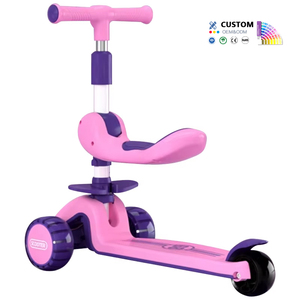
3-Wheel LED & Music Push Bike Toy with Folding Seat
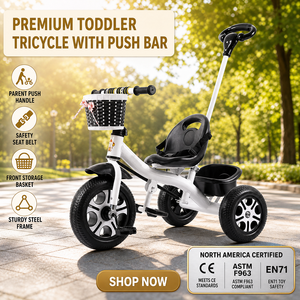
High-Durability Baby Tricycle Pushcart with Front Basket
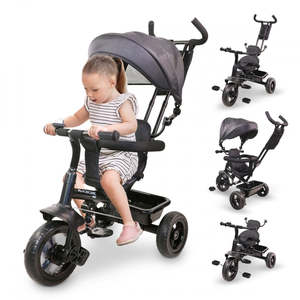
3-in-1 Evolutionary Adjustable Push Tricycle (Lightweight)
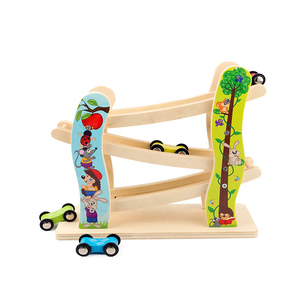
Classic Hybrid Push & Ramp Sliding Push Car Series
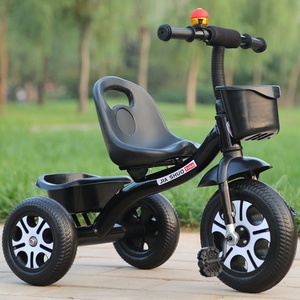
Heavy-Duty Children's Metal Pedal Pushcart Stroller
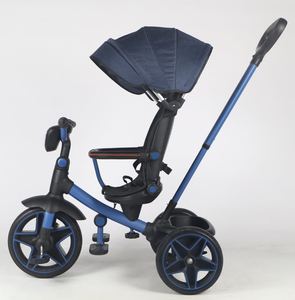
Safety Music & Light Stroller Trike with 3 EVA Wheels
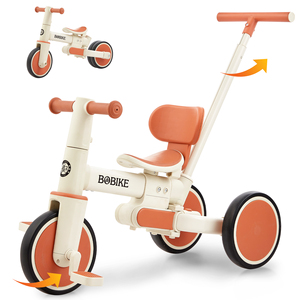
5-in-1 Multifunctional Toddler Ride-On Push Trike
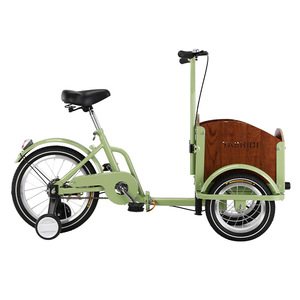
Foldable Inverted Cargo Push Tricycle with Utility Basket
Global Push Car Manufacturing Landscape (2025-2030)
Strategic analysis for toy importers, retail chain procurement directors, and brand owners seeking high-yield manufacturing partnerships.
The global juvenile ride-on and push car market is undergoing a structural evolution driven by shifting consumer preferences, stringent international toxicity standards, and a rapid transition toward multi-functional design architectures. As global buyers navigate supply chain diversification strategies away from single-source dependence, identifying high-capacity, certified OEM push car factories has become a top strategic imperative for enterprise procurement teams.
Current market intelligence forecasts the global ride-on toy sector expanding at a CAGR of 6.4% through 2030. The growth is heavily weighted toward ergonomic push cars, 3-in-1 convertible tricycles, and parent-assisted push wagons. Modern millennial and Gen-Z parents prioritize product longevity, requiring ride-on vehicles to transform seamlessly across child development stages—from 10-month stroller alternatives to independent 5-year pedal trikes.
Geographic Realignment in OEM Sourcing
While traditional manufacturing hubs in South China remain major high-volume producers, progressive B2B buyers are increasingly scaling their procurement footprints in South Asia—most notably in India. India's emerging plastic toy manufacturing ecosystem, led by industry pioneers such as Tripple Ess Toys Pvt. Ltd., offers global brands competitive duty advantages, robust compliance under Bureau of Indian Standards (BIS IS 9873), and certified non-toxic raw plastic supply chains unencumbered by geopolitical tariffs.
Key Procurement & Development Trends for 2025-2030
Top structural features, material advancements, and compliance metrics defining the next decade of toddler ride-on toys.
1. Modular Evolutionary Frameworks
Single-purpose push cars are rapidly losing market share to 3-in-1 and 5-in-1 evolutionary platforms. Sourcing directors must prioritize factories capable of manufacturing tool-less click-and-lock modular assemblies that convert from push strollers to balance bikes and pedal trikes.
2. Polypropylene (PP) & ABS Polymer Purity
With global safety enforcement under ASTM F963-17 and EN 71 Part 3 tightening limits on heavy metals and plasticizers, leading suppliers utilize virgin, high-density PP plastic with UV-stabilizers to prevent color fading and stress fracturing during outdoor use.
3. Direct-Steering Linkage Engineering
Parent push-handle mechanisms have evolved from fragile cable systems to concealed mechanical steel linkages. This provides smooth 360-degree directional control, eliminating mechanical backlash and steering play during active pushing.
4. Silent EVA Polymer Tire Integration
Noisy, hollow blow-molded plastic wheels are being phased out. Enterprise buyers require puncture-proof Ethylene-Vinyl Acetate (EVA) foam or rubber-treaded tires to ensure whisper-quiet indoor floor protection and vibration dampening over outdoor terrain.
5. Anti-Tip Chassis & Low Center-of-Gravity
Safety guidelines mandate rigorous tip-over angle testing. Premier manufacturers design push car wheelbases with wide stance geometry, integrated rear anti-roll blocks, and dynamic front stability bumpers to eliminate rollover risks.
6. Interactive Electronics & Sound Modules
Consumer engagement rises significantly when push cars incorporate sealed, low-voltage LED light pods and multi-button steering wheels with steering sound modules powered by safely enclosed battery compartments.
Tripple Ess Toys Pvt. Ltd. — 35+ Years of OEM Manufacturing Excellence
Comprehensive overview of factory capabilities, infrastructure, and international OEM partnership standards based in Noida, India.
In-House Tool Room & Precision Moulding
Operating a sprawling 40,000 sq. ft. fully integrated manufacturing plant in Noida, Tripple Ess Toys houses a dedicated precision tool room. Our heavy-duty automatic injection moulding machinery, combined with advanced pad printing and automated assembly lines, ensures seamless quality control and tolerance precision across high-volume production runs.
Stringent International Compliance & Testing
Every push car, tricycle, and ride-on toy engineered by Tripple Ess Toys complies rigorously with BIS (IS 9873), ISO 9001 quality standards, EN71 European safety norms, and ASTM F963 specifications. Raw materials are 100% food-grade, non-toxic virgin polymers completely free from heavy metals, lead, and phthalates.
Custom OEM / ODM Branding & Promotional Tooling
With over 3,000 global channel partners and export reach spanning 20+ countries, our engineering team offers full end-to-end OEM custom mold design, bespoke pantone color matching, private-label packaging solutions, and custom promotional toy development tailored for global retail leaders.
Eco-Conscious Manufacturing Commitment
Tripple Ess Toys operates a green-certified production facility utilizing energy-efficient electric injection molding presses, closed-loop cooling systems, and recyclable polymer waste management systems to reduce environmental impact without sacrificing structural toy durability.
Frequently Asked Questions by B2B Push Car Buyers
Detailed technical answers to common queries regarding OEM customization, factory audits, minimum order quantities (MOQ), and safety compliance.
Q1: What primary safety certifications must a push car factory possess for Western markets?
For North America and Europe, push cars must strictly comply with ASTM F963-17 (USA) and EN 71 Parts 1, 2, and 3 (European Union). These certifications cover mechanical physical safety (sharp edge tests, drop tests, pinch hazard prevention), flammability, and toxicological element migration (limiting 19 heavy metals and phthalate plasticizers). For shipments into South Asia, BIS IS 9873 certification is compulsory. Professional OEM factories like Tripple Ess Toys maintain full batch testing documentation and third-party lab test reports (SGS/TÜV/Intertek).
Q2: What are the standard Minimum Order Quantities (MOQs) for OEM custom push cars?
Standard MOQs for existing factory tooling with custom color schemes and logo graphics typically start at 300 to 500 units per model/colorway. For complete custom mold creation (ODM projects), MOQs are based on steel mold amortization and usually require 2,000 to 5,000 units. Tripple Ess Toys offers flexible tiered MOQ options for strategic retail partners and established regional brand owners.
Q3: What polymer materials deliver the best impact resistance and durability for toddler ride-ons?
The industry standard high-performance combination is Virgin Polypropylene (PP) for main chassis body shells and High-Density Polyethylene (HDPE) or structural ABS for stress-bearing components such as push handles, steering links, and wheel axles. High-tier models utilize EVA foam tires to ensure silent operation and extended UV resistance against cracking in outdoor conditions.
Q4: How do manufacturers ensure parent push handles do not disengage or break under heavy steering load?
High-quality factories replace friction-fit plastic push rods with heavy-gauge steel internal steering linkages locked with spring-loaded metal pins or threaded quick-release clamps. Tensile stress testing and dynamic push-pull load tests (simulating 50kg force over 10,000 cycles) are performed to guarantee steering linkage integrity under extreme leverage.
Q5: What lead time is typically required for bulk OEM manufacturing and export shipping?
Production lead times for existing mold configurations average 25 to 35 days post deposit confirmation and artwork approval. Custom mold development requires 45 to 60 days for tool steel cutting, T1 sample approval, and pilot production runs. Shipping times depend on regional destination ports, with FOB India shipments reaching major European and North American ports efficiently via established maritime shipping corridors.
Q6: How are push cars packaged to minimize SKD/CKD container shipping volumes?
To optimize ocean freight costs, professional suppliers design push cars for Semi-Knocked-Down (SKD) or Completely Knocked Down (CKD) packaging. High-density master cartons feature molded internal cardboard inserts or bubble protection, reducing freight volume by up to 45% compared to fully assembled shipments while enabling tool-less 5-minute final assembly by end consumers.
Q7: Can push car factories integrate electronic sound modules and custom light effects?
Yes. Premier OEM suppliers feature integrated electronics assembly bays capable of installing waterproof, low-voltage sound boards featuring pre-programmed musical tunes, realistic engine start sounds, and dynamic LED headlight modules. Electronics are isolated in screwed battery boxes requiring adult screwdriver access to satisfy strict infant safety mandates.
Q8: Why choose India OEM manufacturing over traditional overseas suppliers for push car sourcing?
Procuring from certified Indian manufacturers like Tripple Ess Toys offers global buyers significant strategic benefits: zero punitive trade tariffs, favorable import duty structures, transparent English-speaking engineering teams, and strict intellectual property protection. Furthermore, robust local petro-chemical resin production guarantees stable raw material pricing and uninterrupted supply chain resilience.