Featured OEM Product Portfolio
High-demand, certified kids' tricycles, ride-ons, and scooters ready for contract manufacturing & wholesale deployment.
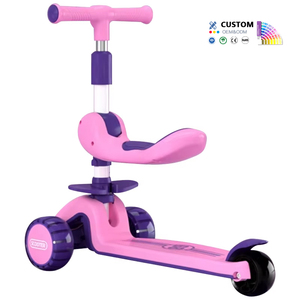
Wholesale Kids Ride on Bike Toy Big 3 Wheel With Led Light and Music Kids Tricycle Children Scooter With Detachable Folding Seat
Send an Inquiry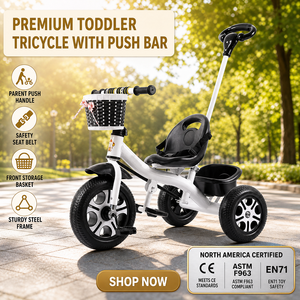
Kids Tricycle Best Sale 3 Wheels High Quality Baby Bicycle With Front Basket For 2 To 7 Years Old Children Tricycle For Sale
Send an Inquiry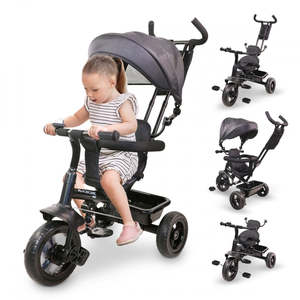
Mobiclinic LULU Black 3-in-1 Adjustable Tricycle Evolutionary Lightweight Design for 1-6 Years 18 Months 5 Years Baby Tricycle
Send an Inquiry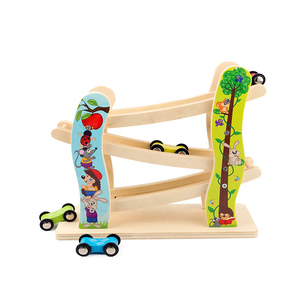
OEM Wooden Toys Classic Bassha Der Kelana 2023 Car Kids Tricycle Ramp Sliding Cars For Kids
Send an Inquiry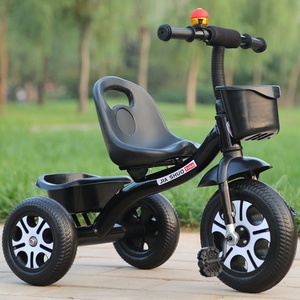
Children's Metal Tricycle Pedal Pushcart Bicycle for 3-6 Year Old Large Baby and Toddler Stroller
Send an Inquiry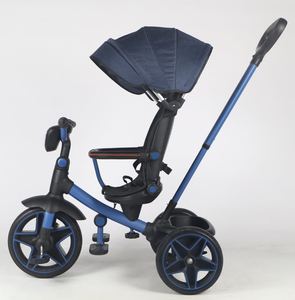
Kids Baby Trike Tricycle With Safety Music And Light Children Tricycle Baby Stroller 3 EVA Wheels Push Baby Tricycle
Send an Inquiry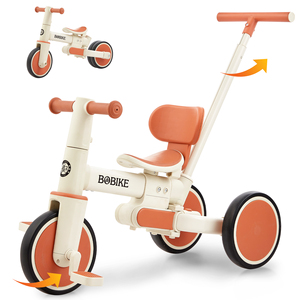
Bobike 5-in-1 Tricycle for Toddlers 18 Months to 5 Years Old, Toddler Bike, Kids Tricycle with Push Handle and Backrest(Beige)
Send an Inquiry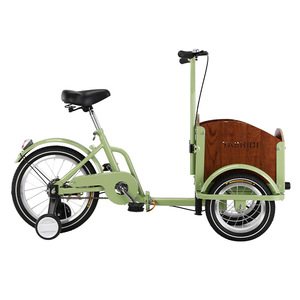
Foldable Pedal Tricycle With Training Wheels Inverted For Children For Carrying Goods And Pets
Send an InquiryExecutive Sourcing Summary: Navigating Global OEM Toy Manufacturing in 2025
The global toy manufacturing market is undergoing a seismic shift driven by strict regulatory updates (such as EU EN71-3 chemical migration limits and US CPSC heavy metal restrictions), escalating demand for eco-conscious polymers, and a strategic move toward diversification in supply chain hubs across India and Southeast Asia. For enterprise procurement directors, brand owners, and global distributors, identifying a top-tier OEM (Original Equipment Manufacturer) requires evaluating far more than unit costs. It demands a rigorous analysis of in-house tooling capabilities, resin purity, quality assurance (QA) automation, and social compliance credentials.
This procurement whitepaper serves as an authoritative evaluation tool for B2B buyers sourcing children's ride-ons, tricycles, educational toys, and specialized promotional products. By synthesizing operational metrics, compliance requirements, and manufacturing benchmarks, this guide empowers brands to establish high-margin, zero-defect supply chains with top-rated OEM manufacturers.
Top 10 Criteria for Evaluating OEM Toy Manufacturers & Suppliers
When shortlisting contract manufacturers for large-scale toy production, global brands must audit candidate facilities against ten critical engineering and operational benchmarks. Suppliers failing to meet these criteria pose significant regulatory, financial, and brand-equity risks.
1. In-House Tooling & CAD/CAM Design
Tier-1 OEM facilities possess dedicated tool rooms with high-precision CNC machining, EDM wire cutting, and 3D prototyping. In-house mold fabrication reduces tooling lead times from 12 weeks to under 35 days, protecting intellectual property and enabling rapid modification cycles.
2. Resin Purity & Chemical Safety
Leading plastic toy suppliers utilize 100% virgin Polypropylene (PP), High-Density Polyethylene (HDPE), and ABS resins. They maintain strict non-phthalate, heavy-metal-free, and BPA-free material pipelines compliant with REACH and CPSC standard CPSIA Section 101.
3. International Certification Matrix
A reliable OEM supplier must hold comprehensive global accreditation: ISO 9001:2015 for quality management, BIS (IS 9873) certification in India, EN71 (Parts 1-3) for Europe, and ASTM F963 for North American commercial deployment.
4. Automated Injection Molding Capacity
High-volume output demands automated, robotics-assisted injection molding machinery ranging from 80-ton to 800-ton clamping force. This guarantees consistent wall thickness, structural integrity, and minimal flash across millions of plastic units.
5. Multi-Process Surface Finishing
Top suppliers maintain cleanroom pad printing, automatic screen printing, ultrasonic welding, and non-toxic powder coating lines. This facilitates vivid branding, durable graphic transfer, and scratch-resistant finishes for ride-on accessories.
6. Social Compliance & Ethical Audit
Modern B2B procurement demands strict social compliance. Factories auditing under ICTI CARE, BSCI (Business Social Compliance Initiative), and SMETA standards ensure fair labor practices, ergonomic workspaces, and zero child labor.
Comparative Matrix: Contract Manufacturing Frameworks
Understanding the strategic tradeoffs between operational models is essential when negotiating with OEM and ODM manufacturers in Asia and global export centers.
| Manufacturing Feature | Pure OEM (Custom Tooling) | ODM (Private Labeling) | Hybrid Contract Production |
|---|---|---|---|
| Tooling Ownership | 100% Client Owned (Exclusive) | Manufacturer Owned | Shared Co-Development |
| Initial NRE / Mold Cost | High ($15k - $60k per mold set) | Zero to Minimal | Moderate (Amortized over PO) |
| Development Lead Time | 60–90 Days (CAD to Mass Production) | 14–21 Days | 30–45 Days |
| Unit Profit Margin Potential | Maximum (Protected IP & Design) | Moderate | High |
| Regulatory Responsibility | Shared (Brand Specs + Factory Certs) | Factory Responsibility | Shared Verification |
Industry Benchmark Case Study: Tripple Ess Toys Infrastructure
As a leading benchmark within India's toy manufacturing landscape, Tripple Ess Toys Pvt. Ltd. demonstrates the structural operational capabilities required of top-tier OEM suppliers. Operating out of an expansive 40,000 sq. ft. integrated facility in Noida, India, the organization has pioneered scalable plastic toy manufacturing for over 35 years.
Their operational framework combines an in-house tool room equipped with high-precision CNC machinery, computerized plastic injection molding units, multi-color pad printing arrays, and an independent QA testing laboratory. By managing the end-to-end lifecycle—from raw polymer testing to final assembly—they demonstrate how localized vertical integration eliminates supply chain volatility for international B2B buyers.
✔ Fully integrated CAD/CAM tool design and mold maintenance shop.
✔ Non-toxic, high-impact PP/ABS formulation for enhanced load-bearing ride-ons.
✔ ISO 9001:2015 system management with complete lot traceability.
✔ Robust export logistics network serving 20+ countries across North America, Europe, and the Middle East.
Future Trends in OEM Toy Sourcing & Production (2025–2030)
Procurement officers must align with suppliers actively investing in next-generation manufacturing technologies. The next decade will redefine toy production through three core evolutionary pillars:
Bio-Based & Recycled Polymers
Leading OEM manufacturers are transitioning to PCR (Post-Consumer Recycled) plastics and sugarcane-derived bio-polyethylene. Contract facilities capable of maintaining structural strength while integrating 30%–50% eco-polymers will dominate retail shelf placements due to stringent European ESG directives.
Modular Multi-Stage Ride-Ons
As demonstrated by evolutionary 3-in-1 and 5-in-1 tricycles, consumer preference has swung toward multi-stage developmental toys. Modern OEM tooling design focuses on quick-release modular mechanisms, allowing push-bar toddler strollers to transform seamlessly into standalone pedaled bikes.
Smart IoT & Low-Voltage Integration
The integration of low-voltage LED micro-circuits, interactive sound modules, and brushless electric assist motors into traditional ride-on frames is accelerating. OEM suppliers are expanding cleanroom electronics assembly lines to support hybrid electromechanical play devices.
Frequently Asked Questions (FAQ) for OEM Toy Procurement
Initiate Your OEM Custom Toy Project Today
Connect with experienced manufacturing engineers to receive custom mold estimations, material data sheets, factory audit reports, and competitive FOB/CIF quotation breakdowns.