Bestselling Export Portfolio
Verified factory-direct pediatric activity walkers, 3-in-1 evolutionary tricycles, and multi-functional push ride-ons for international importers.
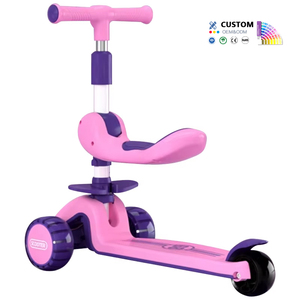
Wholesale Kids Ride on Bike Toy Big 3 Wheel With Led Light and Music Kids Tricycle Children Scooter With Detachable Folding Seat
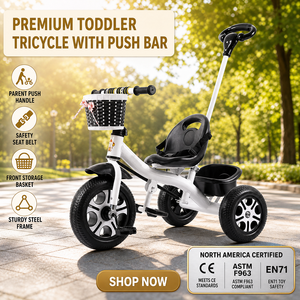
Kids Tricycle Best Sale 3 Wheels High Quality Baby Bicycle With Front Basket For 2 To 7 Years Old Children Tricycle For Sale
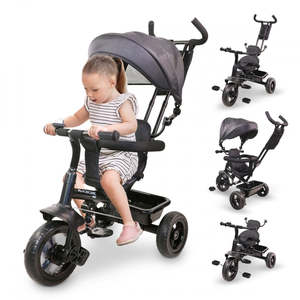
Mobiclinic LULU Black 3-in-1 Adjustable Tricycle Evolutionary Lightweight Design for 1-6 Years 18 Months 5 Years Baby Tricycle
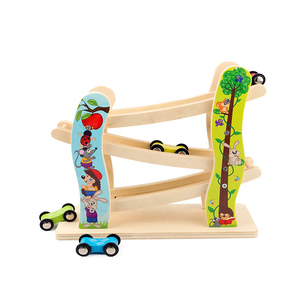
OEM Wooden Toys Classic Bassha Der Kelana 2023 Car Kids Tricycle Ramp Sliding Cars For Kids
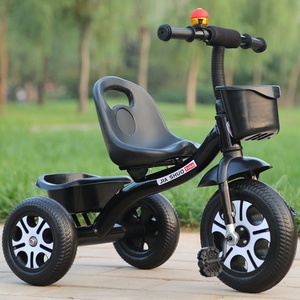
Children's Metal Tricycle Pedal Pushcart Bicycle for 3-6 Year Old Large Baby and Toddler Stroller
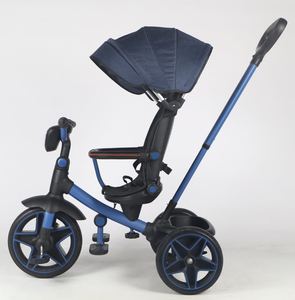
Kids Baby Trike Tricycle With Safety Music And Light Children Tricycle Baby Stroller 3 EVA Wheels Push Baby Tricycle
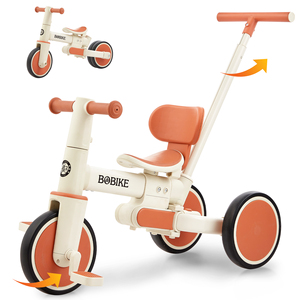
Bobike 5-in-1 Tricycle for Toddlers 18 Months to 5 Years Old, Toddler Bike, Kids Tricycle with Push Handle and Backrest(Beige)
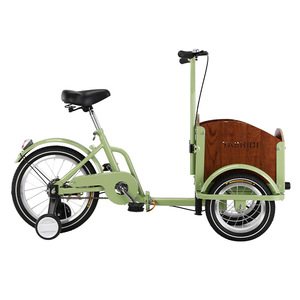
Foldable Pedal Tricycle With Training Wheels Inverted For Children For Carrying Goods And Pets
Global Baby Walker & Ride-On Market Landscape (2025–2030)
The global juvenile mobility and toddler development hardware sector is experiencing an unprecedented structural pivot. As international safety mandates evolve—specifically under updated frameworks such as ASTM F963-23 in North America, EN71 parts 1-3 in the European Union, and BIS IS 9873 in South Asia—the criteria for qualifying a vendor as a top-tier partner among the world's top 10 baby walker exporters have expanded far beyond unit price competitiveness.
Modern B2B procurement officers, retail chain category managers, and private-label distributors require complete transparency across chemical compliance (non-phthalate virgin polymers, heavy-metal-free pigments), pediatric bio-mechanics (preventing leg malformation or Genu Varum), and supply chain resilience. Emerging manufacturing epicenters—most notably India’s advanced plastic tooling and toy hubs—are capturing significant market share due to integrated in-house manufacturing, competitive tariff structures, and strict adherence to international safety protocols.
Evaluating Top 10 Baby Walker Exporter & Exporters: The Audit Standard
Distinguishing between high-volume tier-1 manufacturing exporters and low-tier trading intermediaries is critical for risk mitigation. When auditing a supplier specializing in baby walkers, tricycles, and toddler activity ride-ons, international buyers must evaluate four foundational pillars: In-House Die-Casting & Tooling, Polymer Purity, Pediatric Ergonomic Engineering, and Automated QC Traceability.
| Evaluation Parameter | Tier-1 Direct OEM Exporter (e.g., Tripple Ess Toys) | Tier-3 Trading Intermediary | B2B Buyer Impact |
|---|---|---|---|
| Tooling & Mold Manufacturing | In-house CAD/CAM tool room; high-precision injection molds owned on-site. | Outsourced to third-party mold shops; no direct design control. | Fast tooling modification, zero IP risk, 30% lower NRE costs. |
| Material Traceability | 100% Virgin PP/ABS, food-grade color masterbatches, REACH/EN71-3 certified. | Variable regrind/recycled plastic content; risk of heavy metal contamination. | Eliminates customs import seizures and chemical safety recalls. |
| Structural Engineering | Wide-base anti-tipping chassis, speed control dampeners, structural load testing >50kg. | Standard stock frames; prone to tipping under lateral toddler torque. | Superior product durability and reduced consumer liability claims. |
| Customization (OEM/ODM) | Custom colorways, integrated sound modules, bespoke pad-printed branding. | Limited to sticker application on existing off-the-shelf inventory. | Strong market differentiation and exclusive retail SKU protection. |
Pediatric Ergonomics & Next-Gen Product Trends
Historically, traditional baby walkers faced scrutiny regarding toddler posture and gait development. Leading global exporters have revolutionized the product category by introducing Pediatric-Ergonomic Multi-Stage Activity Walkers and Evolutionary Tricycles.
O-Leg Prevention Geometry
Engineered with adjustable saddle heights and dynamic stride channels that encourage natural foot placement, eliminating unnatural hip abduction and preventing pediatric leg bowing.
Modular 5-in-1 Adaptability
Modern consumers demand long product lifecycles. Evolutionary designs seamlessly transition from guided push-walker to balance trike, pedal bicycle, and autonomous scooter.
Silent EVA & Rubberized Wheels
Noise-reduction thermoplastic rubber (TPR) and EVA tires provide superior grip on hardwood flooring while damping sound—a major selling point for high-density urban households.
Future Procurement Trends (2025–2030)
Global retail buyers are systematically realigning their supply chain topologies to avoid concentration risks and unpredictable freight shocks. The shift toward established manufacturing centers like India is accelerated by key factors:
1. Sustainable Polymer Integration
Importers are demanding eco-conscious plastic formulations. Leading exporters are implementing bio-based polypropylene and closed-loop scrap recycling systems that maintain 100% structural integrity without compromising impact resistance.
2. Smart Interactive Sensory Modules
Baby walkers are evolving into cognitive developmental hubs. Integration of low-voltage LED arrays, sensory sound boards, and tactile fine-motor elements increases retail price margins by 35% compared to basic mechanical walkers.
3. Optimized KD (Knock-Down) Packaging
With ocean freight rates fluctuating, intelligent flat-pack packaging engineering allows exporters to fit up to 40% more units per 40ft High Cube container, significantly lowering per-unit landed costs for global buyers.
Corporate Spotlight: Tripple Ess Toys Pvt. Ltd.
Established in 1988, Tripple Ess Toys Pvt. Ltd. stands as one of India's premier OEM plastic toy manufacturers and exporters. Operating from a state-of-the-art 40,000 sq. ft. fully integrated production facility in Noida, the enterprise combines over 35 years of engineering heritage with modern, automated injection moulding technology.
In-House Tool Room
Complete autonomy over mold design, CAD modeling, precision die-casting, and rapid tooling maintenance.
Strict Quality Assurance
ISO certified and BIS compliant operations adhering rigorously to EN71, ASTM, and global safety norms.
High-Capacity Output
Capable of producing over 1 million toy units annually for global retail chains, distributors, and brands.
Frequently Asked Questions (FAQ) for Importers
Essential sourcing insights for procurement officers evaluating baby walker and ride-on manufacturers.
Q What safety certifications are required to import baby walkers into North America and Europe?
For the US and North America, products must comply with ASTM F963-23 and CPSIA heavy metal and phthalate limits. For Europe, EN71 Parts 1 (Mechanical/Physical), 2 (Flammability), and 3 (Migration of elements) alongside CE marking are mandatory. Tripple Ess Toys provides full test report documentation for custom OEM runs.
Q How do top exporters prevent anti-tipping accidents in baby walker designs?
Tier-1 manufacturers utilize wide-stance trapezoidal chassis layouts, low center-of-gravity frame weighting, and integrated friction pads (stoppers) that automatically lock wheel movement when a step edge is detected.
Q What is the standard Minimum Order Quantity (MOQ) for custom OEM baby walkers?
Standard OEM MOQs generally start at 500 to 1,000 units per colorway for customized plastic injection colors and private-label packaging. Standard catalog items with stock colorways can be ordered in lower trial quantities.
Q Can we customize electronic music modules and visual themes for local markets?
Yes. Direct OEM factories with in-house pad printing and sound assembly lines can program custom IC sound chips with localized nursery rhymes, phrases, or sound effects, alongside customized logo placement and packaging design.
Q How does factory location in India benefit global buyers over traditional sourcing hubs?
India offers competitive labor dynamics, favorable tariff structures with multiple Western nations, robust quality compliance under BIS regulations, and strong supply chain resilience, avoiding single-country dependency risks.
Q What is the typical tooling lead time for a new custom design?
With an in-house tool room, initial CAD engineering and mold prototyping typically take 15–20 days, with complete steel mold fabrication finalized within 35–45 days for mass production testing.
Partner with a World-Class OEM Baby Walker Exporter
Looking to expand your retail collection or manufacture high-margin private label ride-ons, tricycles, and activity walkers? Work directly with India's trusted OEM manufacturer.