Flagship Electric Mobility & Ride-On Products
Precision-engineered for durability, safety compliance, and maximum commercial return. Direct factory wholesale and customized OEM/ODM builds.
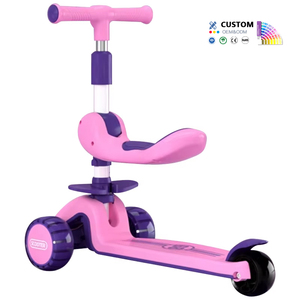
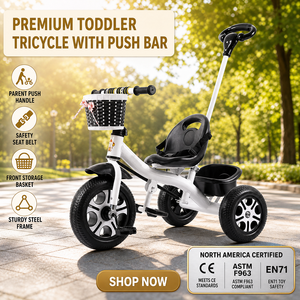
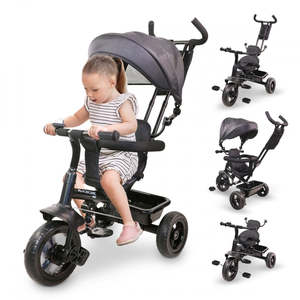
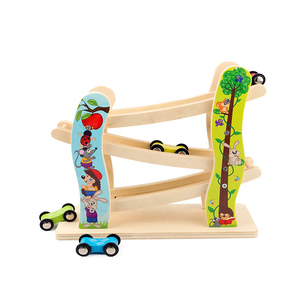

The Strategic OEM/ODM Electric Scooter Manufacturing Handbook
As the global micro-mobility landscape transitions toward electrifying short-distance transit and recreational vehicles, international buyers, brand owners, and importers face unprecedented market shifts. Securing a reliable OEM/ODM electric scooter manufacturer & supplier is no longer merely a procurement task; it is a strategic business decision that dictates brand reputation, product safety, compliance viability, and gross margin protection. This comprehensive industry whitepaper provides an authoritative overview of electric scooter engineering standards, component procurement dynamics, quality assurance protocols, and future market trajectories.
Information Gain Insight: Modern OEM/ODM procurement has shifted from simple assembly outsourcing to full-stack vertical integration. Proprietary BMS (Battery Management Systems), modular chassis design, and zero-defect plastic injection molding now define market leaders from commoditized importers.
1. Vertical Manufacturing Infrastructure: From Tooling to Assembly
A true tier-1 electric scooter manufacturer must possess end-to-end, in-house production capabilities. Outsourcing core components like chassis molding, battery packing, or surface finishing to third-party vendors creates supply chain bottlenecks and quality variances. Operating out of a state-of-the-art 40,000 sq. ft. manufacturing facility equipped with an independent tool room, high-tonnage injection molding units, automated pad printing, and precision assembly lines guarantees complete quality control across every production unit.
In-house tool rooms empower B2B clients to convert 3D CAD design files into physical steel molds with microscopic tolerances within weeks, drastically shortening time-to-market (TTM) for specialized OEM/ODM projects. Combined with virgin-grade, eco-conscious polypropylene (PP) and acrylonitrile butadiene styrene (ABS) resins, the resulting mobility products exhibit superior impact resistance, tensile strength, and color longevity.
2. Essential Engineering & Safety Compliance Infrastructure
Global regulatory oversight for electric scooters, battery-operated ride-ons, and children’s mobility vehicles has intensified dramatically. Importers must strictly audit suppliers for verified certification pathways:
Global Procurement Trends in Electric Scooter Sourcing (2025–2030)
As retail chains, e-commerce brands, and fleet operators evaluate supply chain investments, key macro procurement trends are dictating contract awards:
1. Demand for Modular "Plug-and-Play" Chassis Architecture: Global importers are moving away from single-purpose molds. Buyers prefer modular vehicle architectures where handlebars, battery compartments, seating units, and wheel assemblies can be swapped across product lines. This modularity reduces tooling expenditure by up to 40% while enabling brands to offer diverse SKUs effortlessly.
2. Advanced Lithium Iron Phosphate (LFP) & Smart BMS Integration: Conventional lead-acid and low-grade NMC lithium cells are rapidly being phased out due to environmental concerns and limited cycle life. Current global sourcing mandates specify LFP chemistries offering over 2,000 charge cycles, paired with real-time temperature, over-charge, and short-circuit monitoring via micro-controller-based Smart BMS modules.
3. Cellular IoT Telemetry & App Connectivity: Modern consumers and fleet management buyers require seamless smartphone integration. Electric scooters now feature built-in Bluetooth/4G IoT modules, providing GPS tracking, digital locking, speed mode limiters, battery health diagnostics, and remote firmware updates over-the-air (OTA).
4. Sustainable Material Sourcing & Circular Economy Mandates: Evolving ESG regulations, such as the EU Battery Directive and corporate zero-carbon targets, require OEM suppliers to utilize recyclable aluminum alloys and post-consumer recycled (PCR) plastics without sacrificing structural rigidity.
Technical Specification Benchmarks: Standard vs. Enterprise OEM Production
| Performance Metrics | Standard Market OEM Spec | Enterprise Grade OEM/ODM Spec (Our Standard) |
|---|---|---|
| Frame Metallurgy | Standard Carbon Steel / Recycled ABS | Aviation-Grade T6 Aluminum Alloy + Virgin Reinforced PP |
| Motor Tech & Efficiency | Brushed DC Motors (60-70% efficiency) | Brushless DC (BLDC) Hub Motors (>88% efficiency) |
| BMS Protection Layers | Single-stage Overcurrent Protection | 7-Tier Smart BMS (Thermal, Short, Overcharge, Balancer) |
| Water Ingress Protection | IPX4 (Basic Splash Resistance) | IPX5 Chassis / IPX7 Sealed Battery Electronics Compartment |
| Quality Assurance Benchmark | Random Sampling (AQL 2.5) | 100% Load-Tension, Drop, Wheel Fatigue & Burn-In Testing |
Product Development Trends & Structural Innovations
The engineering evolution of children's electric scooters, balance trikes, and adult micro-mobility units centers on three core innovations: lightweight structural ergonomics, adaptive kinetic stability, and intuitive safety systems.
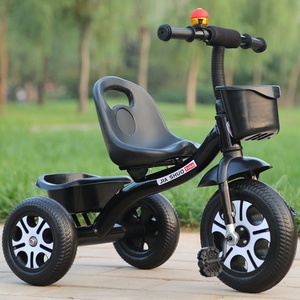
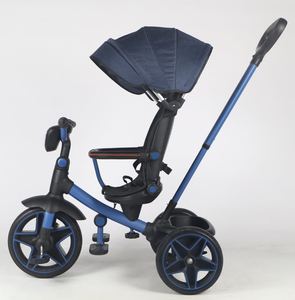
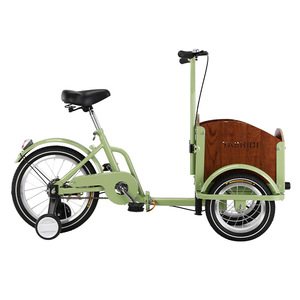
Through advanced dynamic CAD modeling and finite element analysis (FEA), modern OEM scooter designs distribute stress evenly across chassis pivot points. This prevents frame fatigue during heavy impact. Additionally, 3-wheel inverted steering mechanisms—as featured in our convertible scooter and cargo trike series—utilize gravity-assisted tilt steering. This helps younger riders develop balance and motor skills while drastically lowering rollover risks during high-speed turns.
Enterprise Advantages: Why Partner with Our Manufacturing Facility
Backed by over 35 years of manufacturing excellence, our manufacturing enterprise has grown into a globally recognized leader in plastic processing, precision engineering, and micro-mobility manufacturing. We maintain long-term partnerships with over 3,000 distributors, channel partners, and brand owners across 20+ countries.
Frequently Asked Questions (FAQ) for Global Importers & B2B Buyers
Ready to Elevate Your Electric Mobility Product Line?
Contact our engineering and sales consultation team today for factory-direct wholesale quotations, custom mold estimations, and complete OEM/ODM project support.