Featured OEM/ODM Activity Centers & Tricycles
High-precision injection molded, safety-certified children's active mobility and learning systems engineered for global distributors and retail chains.
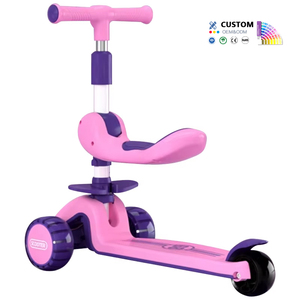
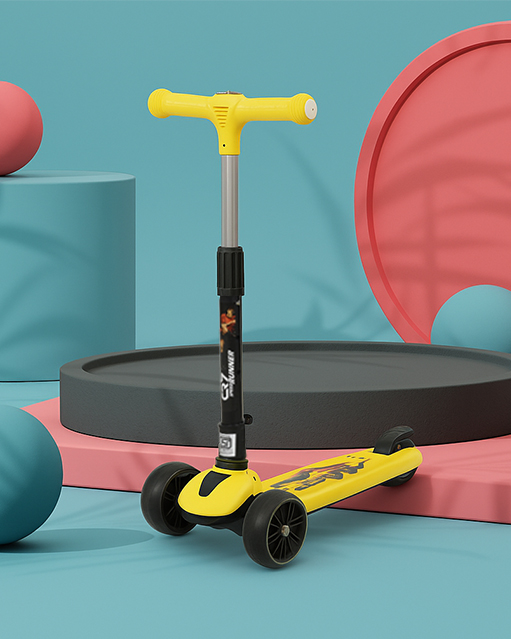
Interactive 3-Wheel Ride-On Scooter with Detachable Folding Seat & LED Music Module
- Age Group: 18M - 6 Years
- Features: Detachable Seat, LED Lights
- Certification: EN71 / ASTM F963
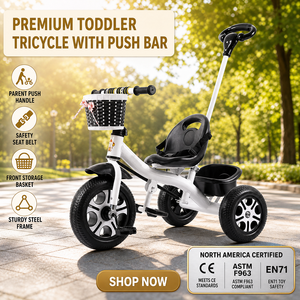
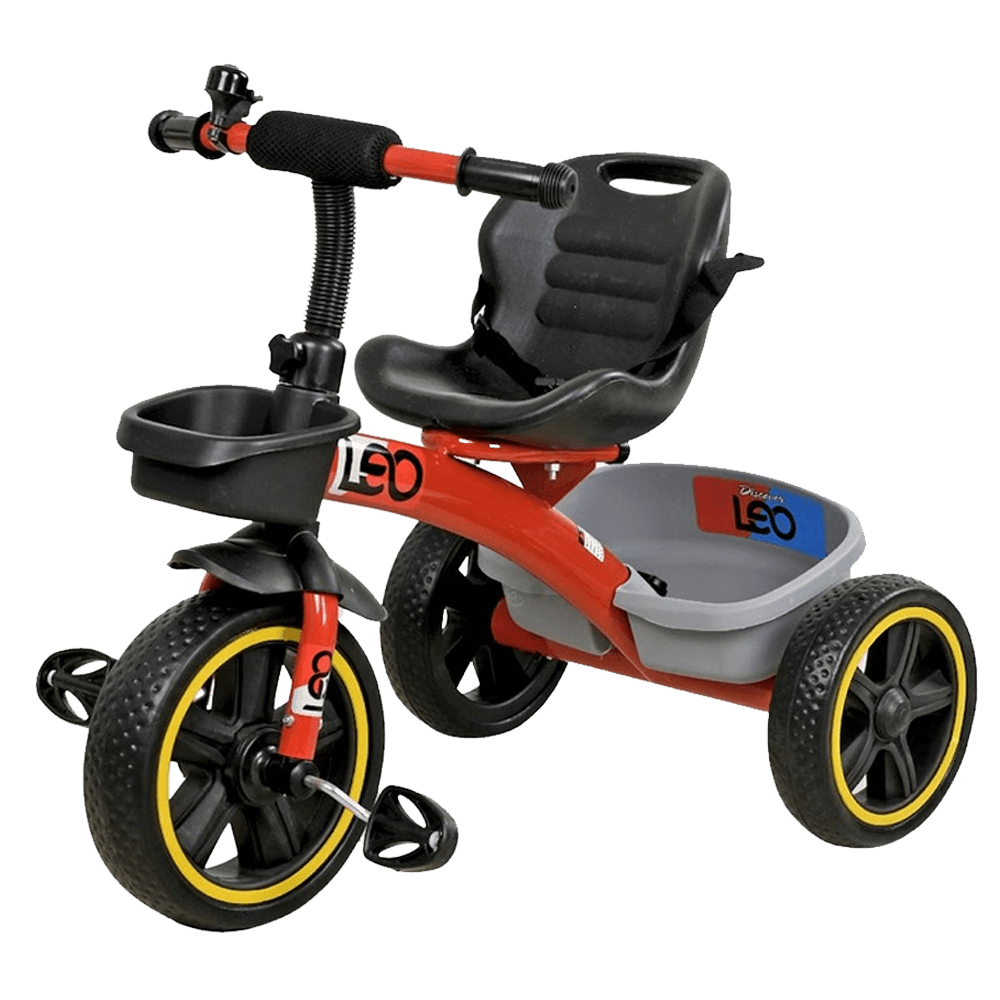
Heavy-Duty Kids Pedal Tricycle with Utility Front Basket & Reinforced Frame
- Age Group: 2 - 7 Years
- Material: Non-Toxic Virgin PP
- Custom OEM Colors Available
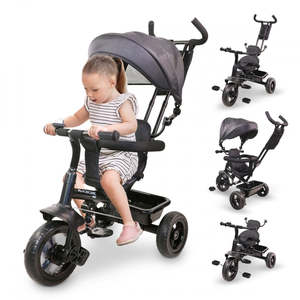
Evolutionary 3-in-1 Modular Adjustable Tricycle with Ultra-Light Chassis
- Growth Stages: 18M to 5 Years
- Design: Quick-Fold Lightweight
- OEM Branding Support
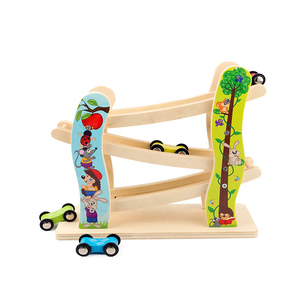
Classic Ramp Sliding Activity Car & Ramp Center for Early Motor Skill Development
- Craftsmanship: Precision Tooling
- Safety: Water-Based Non-Toxic Paint
- Target: Montessori & Early Learning
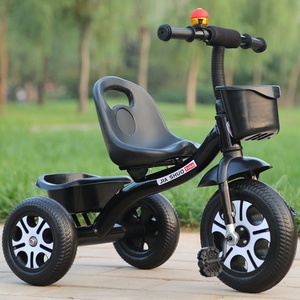
Dual-Function Metal Frame Pedal Pushcart Tricycle with Parent Control Steering
- Age Group: 3 - 6 Years
- Frame: Carbon Steel + Molded PP
- Handle: Height-Adjustable Push Bar
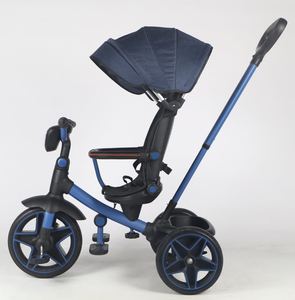
Silent EVA-Wheel Baby Trike with Integrated Safety Guardrail & Sound Dashboard
- Wheels: Noise-Dampening EVA
- Safety: Enclosed Backrest & Guard
- Interactive Sensory Dashboard
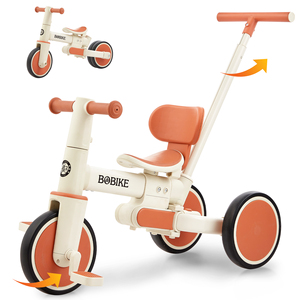
Multifunctional 5-in-1 Toddler Balance Bike & Push Tricycle with Backrest
- Modes: Walker, Trike, Balance Bike
- Mechanism: Tool-Less Mode Switch
- Ergonomic Molded Cushion
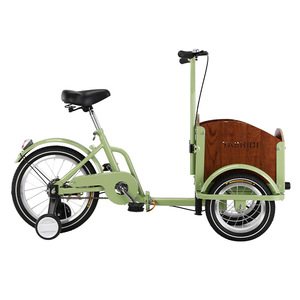
Foldable Utility Pedal Tricycle with Rear Transport Basket & Inverted Stabilizers
- Utility: Storage Basket Integration
- Compact: One-Click Fold Mechanism
- Anti-Tipping Base Geometry
Executive Summary: Navigating Global Sourcing for Children's Activity Centers
The global juvenile product landscape is undergoing a structural paradigm shift. Importers, brand owners, and B2B procurement managers are pivotally expanding beyond static play structures toward dynamic, sensory-rich, modular OEM/ODM Activity Center Factories & Suppliers. Modern developmental psychology dictates that physical play units must serve dual purposes: accelerating gross motor function while engaging cognitive visual-auditory feedback loops. Consequently, global buyers require manufacturing partners capable of combining complex polymer injection molding, structural ergonomics, electronic integration, and stringent chemical compliance within scalable production timelines.
As international regulatory frameworks like EN71, ASTM F963-17, ISO 8124, and BIS IS 9873 enforce stricter thresholds on phthalates, heavy metal migration, and physical torque tolerances, choosing an audited OEM/ODM production partner becomes a core risk management strategy. This whitepaper analyzes the technological benchmarks, procurement trajectories, factory audit criteria, and strategic advantages of partnering with verified manufacturing facilities equipped with end-to-end tooling, molding, and testing capability.
Key Pillars of Modern Activity Center Engineering
Structural Polymer Precision
Utilizing high-density virgin Polypropylene (PP) and ABS polymers engineered for impact resistance, zero sharp-edge flashing, and colorfastness under continuous UV exposure.
Biomechanical Ergonomics
Designing adjustable seat-to-pedal geometry that supports spine alignment, hip dysplasia prevention, and gradual growth transitions across ages 18 months to 7 years.
Embedded Sensory Electronics
Integrating low-decibel, sound-limiting auditory modules and low-voltage LED visual matrices certified under EMC and electrical toy safety standards.
Enterprise Advantage: Tripple Ess Toys' Integrated OEM/ODM Infrastructure
When evaluating global suppliers, facility capacity and quality sovereignty form the backbone of supply chain security. Tripple Ess Toys Pvt. Ltd. stands as a benchmark of industrial excellence in India’s expanding plastic toy manufacturing cluster. Established with over 35 years of specialized manufacturing experience, the enterprise operates out of a state-of-the-art 40,000 square foot fully integrated manufacturing hub in Noida (Uttar Pradesh, India).
In-House Tooling & Production Capability
Unlike standard trading vendors or assembly-only outfits, Tripple Ess Toys controls the entire value chain. The facility houses high-precision CNC toolrooms, automatic heavy-duty injection molding machinery, non-toxic automated pad printing lines, and rigorous inline QA stations.
This internal integration enables custom mold development for bespoke OEM/ODM projects, allowing global buyers to bring unique aesthetic designs, proprietary folding mechanisms, and exclusive color palettes from CAD renderings to physical reality without exposing IP to outsourced machine shops.
Global Industry Development Trends (2025 – 2030)
Procurement executives must align their inventory strategies with macro industry evolutions. Over the next five years, four critical macro-trends will dominate the activity center and ride-on market:
1. The Rise of "N-in-1" Convertible Lifecycle Equipment
Consumer preferences have decisively turned against single-use toys that children outgrow in months. The market demands 3-in-1, 4-in-1, and 5-in-1 evolutionary activity systems. These platforms transition seamlessly from parent-assisted push strollers to sensory activity stations, guided tricycles, and ultimately independent balance bikes. OEM factories must design modular lock-and-release mechanisms requiring zero external tools.
2. Sustainable Polymer Formulations & Circular Supply Chains
Global environmental mandates—including Europe's Green Deal and stringent US state-level plastics legislation—are forcing a shift toward Post-Consumer Recycled (PCR) resins and bio-based plastics. Forward-thinking suppliers are actively testing food-grade recycled PP blends that maintain tensile structural strength while reducing carbon footprints by up to 40%.
3. Micro-Mobility Integration & Urban Storage Optimization
With global urban apartment living expanding, storage footprint is a primary purchasing driver. Future procurement mandates prioritizing one-click folding frames, inverted training wheel mechanisms, and compact nested packaging configurations that optimize ocean container loading density (FEU/TEU cubage utilization).
4. Geographic Supply Chain Diversification (The India Advantage)
Global sourcing managers are aggressively implementing "China+1" supply chain hedging. India has emerged as a premier global hub for toy manufacturing, supported by favorable export policies, competitive labor costs, robust domestic petrochemical resin production, and strict BIS safety alignment.
Technical Specifications & Material Benchmark Matrix
To assist technical buyers in evaluating activity center structural integrity, the following matrix outlines engineering benchmarks observed in tier-1 manufacturing facilities:
| Engineering Metric | Standard Commercial Grade | Tripple Ess Toys OEM Benchmark | Safety / Compliance Impact |
|---|---|---|---|
| Primary Polymer | Recycled Regrind Blend | 100% Virgin High-Impact PP / ABS | Prevents brittle structural fracture under dynamic drop stress. |
| Heavy Metal Limits | < 90 ppm Lead | 0 ppm (Non-Detectable) | Exceeds EN71-3 and REACH Annex XVII standards. |
| Wheel Assembly | Hollow Hard PVC | High-Density EVA / Rubber-Coated | Provides silent indoor operation and shock absorption. |
| Frame Load Tolerance | 15 kg Static Load | 35 kg Dynamic / 50 kg Static | Prevents structural failure under multi-child usage. |
| Color Fastness | Grade 3 Light Fastness | Grade 5+ UV Stabilized | Prevents outdoor fading and polymer degradation. |
| Electronic Module Safety | Unsealed Battery Case | Screw-Locked Waterproof Enclosure | Eliminates choking hazards & battery ingestion risk. |
Future Procurement & Risk Mitigation Strategies for B2B Buyers
Procuring large-scale OEM activity centers requires systematic evaluation to prevent costly recall events and shipment rejections at customs ports. Professional buyers should implement a three-tier risk mitigation framework:
Tier 1: Pre-Production Tooling & Mold Verification
Before issuing mass production Purchase Orders (POs), ensure your manufacturing partner conducts Mold Flow Analysis (MFA) to prevent weld line weakness in load-bearing plastic components. Demand 3D-printed functional prototypes followed by T1 sample inspection to verify snap-fit tolerances and ergonomic clearances.
Tier 2: Comprehensive Chemical & Physical Factory Testing
Reputable factories must maintain in-house test labs equipped with drop testers, bite-test clamps, pull-gauge force meters, and XRF spectrometers for heavy metal screening. Batch-level testing should be documented in formal Quality Assurance (QA) certificates prior to container sealing.
Tier 3: Packaging & Freight Optimization
Packaging failure is a major source of transit damage. Insist on ISTA 1A drop-tested corrugated cartons (5-ply minimum) with custom-molded internal EPS or paper-pulp buffers. Optimizing box dimensions to minimize air space directly lowers landed freight cost per unit.
Custom Branding & Private Label Capabilities
Tripple Ess Toys offers extensive customization options for retail chains, private labels, and promotional campaigns. Capabilities include custom masterbatch color matching (Pantone), multi-color pad printing for brand logos, bespoke carton art, and custom-designed electronic soundboards featuring localized songs or educational content.
Whether you require a low-MOQ trial run for market testing or high-volume containerized shipments, our flexible production scheduling accommodates your market entry strategy.
International Safety Standards & Quality Compliance
Children's active play equipment operates under zero-tolerance safety mandates worldwide. Sourcing from a fully certified factory guarantees frictionless cross-border logistics and protects brand equity.
All activity centers and ride-on units produced at Tripple Ess Toys strictly adhere to:
- EN 71 (Parts 1, 2, 3): European safety standards governing mechanical properties, flammability, and heavy element migration.
- ASTM F963-17: Standard consumer safety specification for toy safety across North America.
- BIS IS 9873: Mandatory Indian Quality Control Order compliance, certified by the Bureau of Indian Standards.
- Phthalate Restrictions: Full compliance with REACH (EC) No 1907/2006 and CPSIA limits (DEHP, DBP, BBP, DINP, DIDP, DNOP under 0.1%).
B2B Sourcing FAQ: OEM/ODM Activity Center Manufacturing
For custom ODM/OEM activity center projects, initial 3D design and mold flow simulations take 5 to 7 days. Steel mold fabrication in our in-house toolroom takes approximately 30 to 45 days. T1 samples are typically delivered for customer physical validation within 5 days post-mold completion.
We source 100% food-grade, virgin Polypropylene (PP) and High-Density Polyethylene (HDPE) directly from accredited petrochemical producers. We utilize organic pigment masterbatches free from heavy metals, phthalates, and bisphenol A (BPA), certified via third-party testing labs like SGS and Intertek.
For standard catalog products with custom logo pad printing and custom box artwork, our MOQ typically starts at 300 to 500 units per model. For completely custom molded OEM activity centers, MOQ depends on polymer volume, generally aligned with 1 x 20ft container loads.
All custom molds paid for by the client remain the 100% intellectual property (IP) of the buyer. Molds are maintained in our fire-safe tool storage under strict NDA agreements and will never be used to produce goods for third parties.
Our packaging engineers design knock-down (CKD/SKD) activity center structures that minimize master carton volumetric weight. By engineering nested plastic components and snap-fit assemblies, we maximize container loading quantities by up to 30% compared to fully assembled imports.
Yes, we welcome third-party factory audits, including ISO 9001:2015 quality management inspections, SMETA ethical audits, and BSCI social compliance verifications. Our 40,000 sq. ft. facility in Noida is fully accessible for accredited auditing teams.