CE-Compliant Toy Vehicles & Tricycles for Export
Explore our top-tier ride-on vehicle portfolio engineered for compliance with EN71, ASTM F963, and CE directives. Fully customizable for OEM volume distributors.
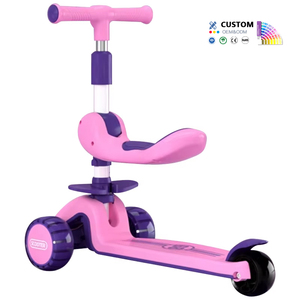
Wholesale Kids Ride on Bike Toy Big 3 Wheel With Led Light and Music Kids Tricycle Children Scooter With Detachable Folding Seat
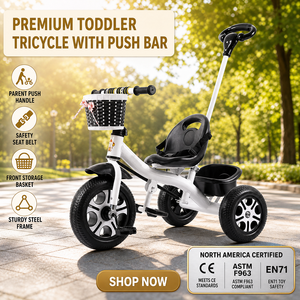
Kids Tricycle Best Sale 3 Wheels High Quality Baby Bicycle With Front Basket For 2 To 7 Years Old Children Tricycle For Sale
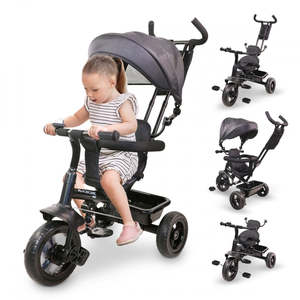
Mobiclinic LULU Black 3-in-1 Adjustable Tricycle Evolutionary Lightweight Design for 1-6 Years 18 Months 5 Years Baby Tricycle
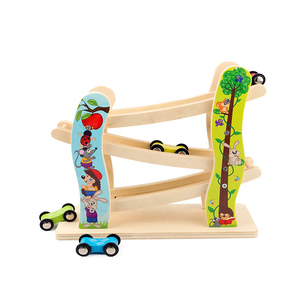
OEM Wooden Toys Classic Bassha Der Kelana 2023 Car Kids Tricycle Ramp Sliding Cars For Kids
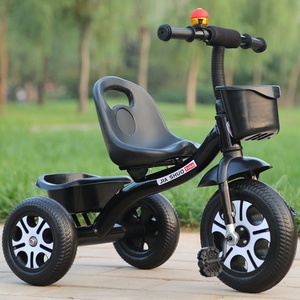
Children's Metal Tricycle Pedal Pushcart Bicycle for 3-6 Year Old Large Baby and Toddler Stroller
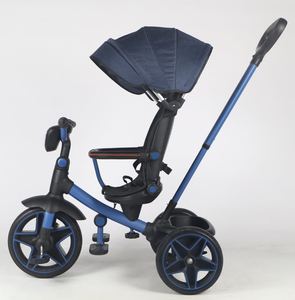
Kids Baby Trike Tricycle With Safety Music And Light Children Tricycle Baby Stroller 3 EVA Wheels Push Baby Tricycle
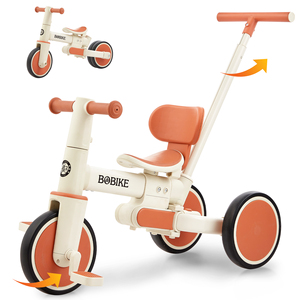
Bobike 5-in-1 Tricycle for Toddlers 18 Months to 5 Years Old, Toddler Bike, Kids Tricycle with Push Handle and Backrest(Beige)
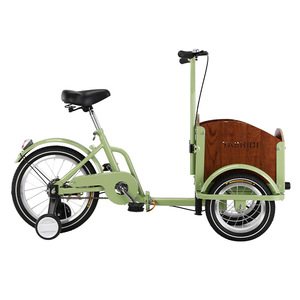
Foldable Pedal Tricycle With Training Wheels Inverted For Children For Carrying Goods And Pets
Executive Summary: Sourcing CE Certified Toy Vehicles from Qualified OEM Manufacturers
In today's highly regulated global juvenile product industry, establishing a robust procurement pipeline for CE certified toy vehicles is a strategic mandate for importers, brand owners, and wholesale distributors. The European Union's Toy Safety Directive 2009/48/EC mandates that all ride-on toys, push tricycles, kick scooters, and battery-powered mobility units placed on the market meet rigorous mechanical, chemical, physical, and electrical safety standards. Partnering with seasoned manufacturing facilities that combine in-house precision injection molding, specialized toolmaking, and rigorous quality assurance protocols is essential to mitigating product liability risks and ensuring uninterrupted market access.
Future Procurement Trends in the Global Toy Vehicle Market (2025–2030)
The global children's ride-on toy market is undergoing a seismic shift driven by evolving consumer eco-consciousness, tightening international regulatory oversight, and rapid technological integration. B2B procurement managers and retail inventory strategists must align their supply chain models with five core market vectors over the next decade:
1. Eco-Conscious Polymers & Circular Manufacturing
Global regulatory bodies and modern parents demand non-toxic, recyclable materials. Advanced OEM exporters are shifting from virgin fossil-based plastics to high-grade virgin Polypropylene (PP) and High-Density Polyethylene (HDPE) formulations compliant with REACH and RoHS, eliminating phthalates, BPA, and heavy metals.
2. Modular "Grow-With-Me" Multi-Stage Designs
Consumers prioritize long-term utility. Demand is surging for 3-in-1 and 5-in-1 multi-functional vehicle architectures (such as convertible stroller-tricycles and balance bike hybrids) that adapt from infancy (18 months) through childhood (6 years), maximizing inventory SKU efficiency for retailers.
3. Smart Interactive Electronics & Low-Voltage Safety
Modern ride-ons are increasingly equipped with integrated LED illumination, micro-sound modules, and Bluetooth sound engines. Procurement standards require low-voltage, thermal-protected battery enclosures compliant with EN 62115 to eliminate short-circuit and fire risks.
4. Supply Chain Diversification: The Indian OEM Hub
Global brands are actively executing "China+1" sourcing strategies. India has emerged as a powerhouse for toy vehicle manufacturing, backed by robust industrial infrastructure, competitive tooling economics, strict adherence to BIS/ISO frameworks, and favorable international export tariffs.
5. Knock-Down (KD) Packaging Efficiency
With global freight costs remaining volatile, top exporters are re-engineering vehicle sub-assemblies for maximum volumetric container loading. Modular snap-fit components allow 35% to 50% more units per 40ft High Cube container, significantly lowering landed unit costs.
6. Accelerated Testing Protocols & Traceability
Enterprise buyers now mandate direct batch-level digital traceability. Manufacturers must provide batch testing reports for tensile stress, drop impact resistance, and chemical migration from accredited third-party labs like TÜV, SGS, or Intertek.
CE Certification & International Safety Standard Requirements Matrix
Understanding the multi-jurisdictional compliance landscape is essential when negotiating contract manufacturing agreements. Below is a structural technical matrix detailing the core testing parameters applicable to CE certified toy vehicles compared against equivalent North American and global standards:
| Regulatory Directive / Standard | Technical Focus Area | Safety Parameters & Test Methods | B2B Sourcing Relevance |
|---|---|---|---|
| EN 71-1:2014+A1:2018 | Mechanical & Physical Properties | Sharp edges, bite tests, drop tests, dynamic load capacity, anti-entrapment gap geometry (5mm-12mm). | Mandatory CE compliance; prevents structural collapse and pinch injuries on moving vehicles. |
| EN 71-2:2020 | Flammability Hazards | Burn rate testing of polymer body structures, textile canopies, and synthetic harnesses. | Ensures materials self-extinguish or burn below maximum allowed flame propagation speeds. |
| EN 71-3:2019+A1:2021 | Migration of Certain Elements | ICP-MS chemical testing for 19 heavy toxic metals including Lead, Cadmium, Arsenic, Barium, and Organotin. | Guarantees non-toxicity even if children chew on vehicle handlebars or plastic components. |
| EN 62115:2020 | Electric Toy Safety | Electrical insulation, thermal cutoff mechanisms, low-voltage limits (≤24V), battery enclosure lock security. | Essential for battery-powered ride-on motorbikes and tricycles with sound/lighting modules. |
| ASTM F963-17 / CPSIA | US Market Equivalent | Phthalate content (<0.1%), total lead restrictions, small parts choke hazards, stability rollover tests. | Cross-certifies Indian OEM inventory for seamless export into North American retail channels. |
| ISO 8124 / BIS IS 9873 | Indian & International Standard | Comprehensive structural safety, physical durability, toxic element testing for global markets. | Demonstrates foundational factory quality control capability at the domestic manufacturing source. |
Corporate Profile & Manufacturing Capabilities: Tripple Ess Toys
Founded in 1988, Tripple Ess Toys Pvt. Ltd. has grown over 35+ years into one of India’s premier OEM plastic toy manufacturers and exporters. Operating from an expansive, state-of-the-art 40,000 sq. ft. production plant in Noida (Uttar Pradesh, India), the company is engineered to deliver high-volume, precision-manufactured children's ride-ons, tricycles, scooters, and educational toys to global distributors, FMCG brands, and retail chains across 20+ countries.
In-House Manufacturing Ecosystem
Unlike trading intermediaries or contract assemblers, Tripple Ess Toys operates a fully integrated, vertically controlled manufacturing facility that encompasses every stage of production under one roof:
In-House Tool Room & Mold Engineering
Equipped with high-precision CNC machining centers, EDM spark erosion machines, and CAD/CAM software to engineer custom molds with micron-level tolerances, reducing OEM tooling lead times dramatically.
High-Capacity Injection Molding
A fleet of heavy-tonnage automatic injection molding machines capable of processing high-density PP, ABS, and virgin polymers into durable, crack-resistant vehicle frames and structural sub-assemblies.
Automated Pad Printing & Finishing
Advanced multi-color pad printing and screen printing systems utilizing non-toxic, scratch-resistant inks for crisp branding, decorative graphic livery, and safety warning labels.
Rigorous QA/QC Testing Protocol
Every production batch undergoes static load testing, impact stress testing, drop testing, and continuous dimensional inspection to guarantee 100% compliance with ISO and BIS standards.
Key Industry Development Trends Shaping Kid's Ride-On Mobility
The engineering of children's toy vehicles has advanced far beyond simple mechanical push-toys. Today’s international buyers demand sophisticated product designs that merge child ergonomics, safety engineering, and commercial longevity. Key technical innovations actively incorporated into Tripple Ess Toys' export range include:
Strategic B2B Buyer Procurement & Quality Evaluation Guide
When evaluating potential CE certified toy vehicle manufacturers for private-label or wholesale partnerships, procurement teams should conduct systematic audits based on four critical operational pillars:
Pillar 1: Material Verification
Audit raw material sourcing records. Ensure the factory uses 100% virgin PP or certified food-grade compounds. Request XRF spectrometer screening data to confirm zero recycled lead or toxic plasticizer contamination.
Pillar 2: Structural Integrity Audit
Verify that load-bearing steel tubes maintain a minimum wall thickness of 1.0mm to 1.2mm, with anti-rust phosphate coating prior to powder paint application. Dynamic overload testing should exceed 1.5x the rated user weight capacity.
Pillar 3: Mold & Tool Ownership Terms
When commissioning custom OEM designs, ensure clear contractual agreements regarding mold ownership, maintenance schedules, and non-disclosure guarantees for proprietary product designs.
Pillar 4: Packaging & Drop Test Resilience
Insist on ISTA 1A or 2A certified export packaging. High-burst strength 5-ply double-wall corrugated cartons with interior protective EPE foam blocks prevent transit damage during ocean freight and multi-tier trucking.
Frequently Asked Questions (FAQ) for OEM Toy Vehicle Sourcing
Answers to essential technical and commercial questions raised by international buyers, procurement managers, and wholesale importers:
Q1: What specific CE certificates and lab test reports do you provide for European import clearance?
We supply full CE Declaration of Conformity (DoC) documentation backed by accredited third-party test reports from international laboratories (such as SGS, TÜV, or Intertek). These cover EN 71-1 (Mechanical/Physical), EN 71-2 (Flammability), EN 71-3 (Heavy Metal Migration), and EN 62115 for electronic units, ensuring smooth customs clearance across all EU member states.
Q2: Can Tripple Ess Toys handle custom OEM branding, colorways, and bespoke packaging?
Yes. We specialize in comprehensive OEM/ODM services. We can customize plastic injection masterbatch colors to match your brand's Pantone codes, execute high-resolution multi-color pad printing of your logos directly onto vehicle frames, and design custom 5-ply retail gift boxes tailored to your artwork and barcode requirements.
Q3: What is the typical minimum order quantity (MOQ) and production lead time for export orders?
Our standard MOQ for wholesale export ranges from 300 to 500 units per SKU, depending on the model and customization scope. Full container load (FCL) orders (20ft / 40ft HQ) are recommended to optimize ocean freight unit costs. Standard production lead times are 25 to 35 days following sample approval and deposit confirmation.
Q4: How do you guarantee product safety and prevent structural defects during high-volume manufacturing?
Our 40,000 sq. ft. Noida facility operates under strict ISO quality management protocols. We conduct incoming raw material verification, hourly dimensional checks during injection molding, inline assembly stress testing, and pre-shipment AQL 2.5 random sampling inspections. Frame welds undergo tensile stress testing up to 150 kg.
Q5: What are the advantages of sourcing toy vehicles from India compared to traditional supply hubs?
Sourcing from India offers distinct strategic advantages: highly competitive labor and engineering overheads, robust domestic petrochemical polymer supply chains, zero anti-dumping duties in key Western markets, complete compliance with international BIS and CE safety standards, and excellent maritime connectivity through major Indian ports like Nhava Sheva (JNPT) and Mundra.
Q6: Are spare parts and knock-down (KD) replacement components available for post-sale support?
Absolutely. As an integrated manufacturer with our own tool room, we maintain active tooling inventory for all plastic, metal, and electronic components. We supply 1% to 2% complimentary high-wear spare parts (such as pedal caps, wheel bushings, and pushbar clips) with every FCL shipment to support your domestic customer service centers.
Q7: How do your 3-in-1 and 5-in-1 modular tricycles benefit wholesale importers?
Modular vehicle designs significantly consolidate inventory costs. Instead of stocking three distinct products for different age brackets, a single 3-in-1 evolutionary tricycle SKU covers children from 18 months to 5 years. This maximizes retail shelf productivity, boosts consumer purchase intent, and reduces warehouse storage overheads.
Q8: What is the process for developing a completely new proprietary toy vehicle mold?
The process begins with your 3D CAD design or physical prototype concept. Our in-house mold engineering team conducts a feasibility study and DFM (Design for Manufacturing) review within 48 hours. Upon approval, we fabricate precision steel injection molds in our internal tool room, produce T1 physical samples for functional testing and CE lab certification, and transition directly into mass production within 45 to 60 days.
Partner with India's Leading CE Certified Toy Vehicle Exporter
Streamline your global sourcing with safe, certified, and competitively priced children's ride-on vehicles. Request our comprehensive export catalog, technical specification sheets, and wholesale OEM price lists today.
Get Catalog