Featured CE-Certified Product Catalog
High-Precision OEM Tricycles, Scooters & Ride-On Toys Engineered for Eco-Conscious Wholesale Procurement
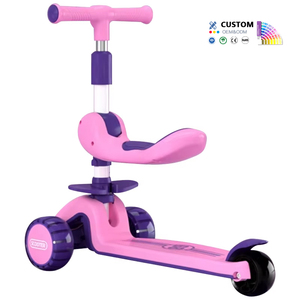
Wholesale Kids Ride on Bike Toy Big 3 Wheel With Led Light and Music Kids Tricycle Children Scooter With Detachable Folding Seat
Send an Inquiry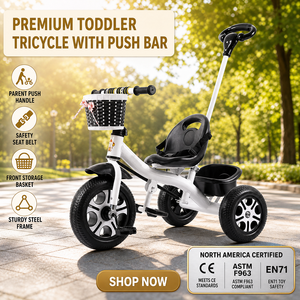
Kids Tricycle Best Sale 3 Wheels High Quality Baby Bicycle With Front Basket For 2 To 7 Years Old Children Tricycle For Sale
Send an Inquiry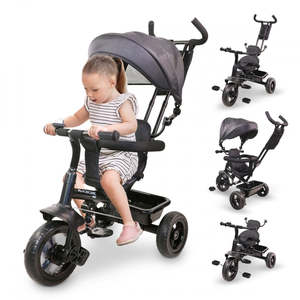
Mobiclinic LULU Black 3-in-1 Adjustable Tricycle Evolutionary Lightweight Design for 1-6 Years 18 Months 5 Years Baby Tricycle
Send an Inquiry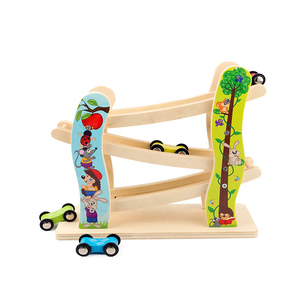
OEM Wooden Toys Classic Bassha Der Kelana 2023 Car Kids Tricycle Ramp Sliding Cars For Kids
Send an Inquiry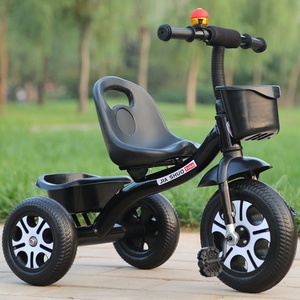
Children's Metal Tricycle Pedal Pushcart Bicycle for 3-6 Year Old Large Baby and Toddler Stroller
Send an Inquiry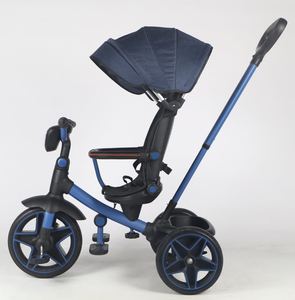
Kids Baby Trike Tricycle With Safety Music And Light Children Tricycle Baby Stroller 3 EVA Wheels Push Baby Tricycle
Send an Inquiry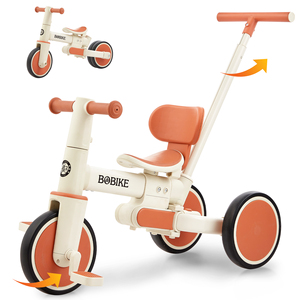
Bobike 5-in-1 Tricycle for Toddlers 18 Months to 5 Years Old, Toddler Bike, Kids Tricycle with Push Handle and Backrest(Beige)
Send an Inquiry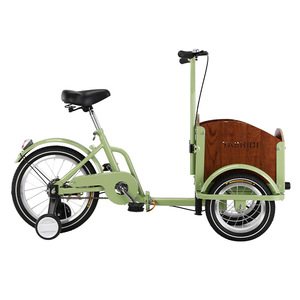
Foldable Pedal Tricycle With Training Wheels Inverted For Children For Carrying Goods And Pets
Send an InquiryExecutive Whitepaper: Sourcing CE-Certified Sustainable Toys in the Modern Regulatory Landscape
The global toy industry is undergoing an unprecedented paradigm shift driven by stringent regulatory frameworks, eco-conscious consumer behavior, and heightened corporate environmental accountability. As brand owners, importers, and procurement directors navigate European compliance—specifically the European Conformity (CE) standard under the Toy Safety Directive 2009/48/EC—partnering with certified factories capable of producing sustainable mobility toys has transitioned from an option to a critical business strategy.
Key Takeaway for B2B Importers: Acquiring genuine CE marking requires strict compliance with EN 71 (Parts 1, 2, and 3), REACH chemical limitations (phthalates, heavy metals, and PAHs), and certified raw material tracing. Indian OEM manufacturing ecosystems offer scalable, cost-efficient, and geopolitical risk-diversified production setups.
Understanding Information Gain in Sustainable Manufacturing
Unlike standard OEM suppliers relying solely on virgin petroleum resins, modern sustainable toy factories integrate bio-based polymers (such as PLA and bio-HDPE derived from renewable sugarcane or cornstarch) and Post-Consumer Recycled (PCR) plastics into structural components. Achieving high mechanical performance while maintaining regulatory safety compliance requires advanced tooling and specialized thermal injection control systems.
For ride-on bikes, tricycles, and multi-functional scooters, structural integrity under EN 71-1 mechanical stress tests is non-negotiable. Our factory utilizes engineered composite blends—combining natural fibers (e.g., rice husk or wood flour fillers) with high-density polyolefins—to deliver exceptional tensile strength, impact absorption, and structural load-bearing capacity while drastically reducing net carbon emissions per unit.
Enterprise Manufacturing Infrastructure
In-House Tooling, Precision Molding & End-to-End Quality Control
In-House Tool Room & R&D
Equipped with high-precision CNC machining centers, EDM spark erosion, and 3D prototyping tools. We design custom molds optimized for bio-resins and low-shrinkage sustainable compounds.
Zero-Waste Closed-Loop Production
Our 40,000 sq. ft. plant operates an automated closed-loop recycling system where sprue and runner material from injection molding are immediately reground and re-fed into non-structural subassemblies.
Full Chemical Compliance & Testing
Every production batch undergoes XRF spectrometry testing for heavy metals (Pb, Cd, Hg), GC-MS verification for phthalate plasticizers, and torque/drop tests matching EN 71 protocol.
Material Comparison Matrix for Eco-Friendly Toy Manufacturing
Choosing the correct raw material substrate is essential for balancing unit economics, environmental lifecycle impact, and regulatory compliance. Below is an engineering evaluation prepared by our material technology team:
| Material Category | Carbon Footprint Reduction | Tensile Strength (MPa) | EN 71-3 Compliance | Recyclability Rating | Ideal Application |
|---|---|---|---|---|---|
| Bio-HDPE (Sugarcane derived) | Up to 70% vs. Virgin HDPE | 26 - 32 | Fully Compliant | Class 2 (HDPE) High | Blow-molded Trike Frames, Seats |
| Post-Consumer Recycled PP (PCR-PP) | 55% - 65% | 30 - 38 | Strictly Tested Batch-Wise | Class 5 (PP) High | Rear Baskets, Pedal Assemblies |
| Wood-Plastic Composite (WPC) | 40% - 50% | 40 - 55 | Fully Compliant | Moderate / Industrial | Structural Handles, Dashboards |
| Virgin Medical-Grade PP (Baseline) | 0% (Standard Benchmark) | 32 - 40 | Fully Compliant | Class 5 (PP) Standard | Precision Gears, Bearing Caps |
Future Trends in Sustainable Toy Sourcing & Procurement (2025–2030)
As international supply chains shift away from single-region concentration, global buyers are increasingly establishing strategic partnerships with Indian manufacturers. India's burgeoning plastic processing hub offers distinct advantages: certified raw material chains, competitive labor dynamics, robust intellectual property protections, and zero tariff penalties under multiple international trade agreements.
1. Microplastic Elimination and Non-Toxic Finishes
Future regulations will target non-intentionally added substances (NIAS) and microplastic shedding. Advanced factories are replacing traditional solvent-based surface paints with in-mold coloration (IMC) using plant-derived, non-toxic masterbatches and lead-free organic pigments.
2. Modular Design for Circular Lifecycle
Rather than disposable single-use designs, multi-stage 3-in-1 and 5-in-1 evolutionary tricycles (like the Mobiclinic LULU and Bobike series) extend the product lifecycle from 18 months to 6 years of age. Easy disassembly allows end-consumers to replace worn components or cleanly segregate polymers for local municipal recycling.
3. Digital Product Passports (DPP) & Supply Chain Traceability
Under incoming EU ecodesign legislation, future toy shipments must carry machine-readable QR codes providing transparent data regarding material origins, recycled percentages, factory labor certifications, and carbon intensity metrics. Our factory is fully equipped to support custom packaging with serialized tracking data.
Frequently Asked Questions (B2B Procurement)
Addressing Common Quality Assurance, Regulatory, and Logistics Inquiries
What specific CE documentation and test reports are provided with OEM shipments?
Every shipment is backed by a comprehensive Technical File. This includes EC Declaration of Conformity (DoC), EN 71-1 (Mechanical & Physical), EN 71-2 (Flammability), and EN 71-3 (Migration of Heavy Metals) test certificates issued by accredited third-party laboratories (such as SGS, TUV, or Intertek). In addition, REACH Annex XVII compliance reports for phthalates and PAH chemicals are provided.
How does the factory guarantee chemical safety in recycled plastic raw materials?
We enforce strict raw material audit protocols. Recycled polymers are sourced exclusively from food-grade or verified post-industrial waste streams. Each incoming resin lot undergoes melt flow index (MFI) verification and spectroscopic screening to verify the total absence of restricted flame retardants (PBDEs), heavy metals, or toxic plasticizers before processing.
What are your factory’s typical Minimum Order Quantities (MOQ) and Lead Times?
Our standard MOQ for catalog products ranges between 200 to 500 units per model, depending on custom color and packaging requirements. For full custom OEM/ODM tooling projects, lead times are approximately 30 to 45 days for mold development and testing, followed by 15 to 20 days for mass production.
Can we request custom branding, colorways, and eco-friendly packaging?
Yes. We offer complete OEM services, including custom Pantone color matching for plastic components, in-house pad printing, silkscreening, and laser engraving. Packaging options include 100% recycled corrugated cartons, water-based ink printing, and plastic-free paper bundling.
How are Intellectual Property (IP) and proprietary mold designs protected?
We respect international IP laws. Non-Disclosure Agreements (NDAs) are executed prior to receiving CAD models or design files. Molds developed at customer expense remain the exclusive property of the client and are strictly locked in our secure mold storage vault when not in active production runs.
What factory audits and management standards does your facility hold?
Our manufacturing facility is ISO 9001:2015 certified for Quality Management Systems and maintains BIS (Bureau of Indian Standards) certification. We regularly host third-party social and ethical audits (such as SMETA/SEDEX) to verify fair labor practices, workplace safety, and environmental stewardship.