
Meet our engineering team at Toy Biz International 2026 — 4 to 7 July 2026, Pragati Maidan, New Delhi, India • OEM & ODM tooling slots now open for the 2026 export season
Why Choose Custom Promotional Toys Manufacturing?
Custom Promotional Toys Manufacturing turns a simple branded object into a physical reminder of a company, campaign, or event. A soft mascot, miniature vehicle, or pocket-sized puzzle can keep a brand visible on desks, shelves, and children’s playrooms. The value is not only visual. It comes from thoughtful design, safe materials, dependable production, and a clear connection with the audience.
Richard Gottlieb, founder of Global Toy Experts, once said, “The toy industry is a business of innovation, creativity, and relationships.” That idea applies directly to promotional toys. Manufacturers must balance creative artwork with realistic molding limits, color consistency, packaging needs, and production schedules. An experienced supplier can review a sketch, recommend durable materials, create a prototype, and identify weak details before mass production begins.
Small details matter. A loose accessory can damage user confidence. A dull logo can weaken brand recognition. A poorly fitted package can increase shipping costs. These problems are avoidable, but not always avoided. That is where careful communication and documented quality checks become important.
Custom Promotional Toys Manufacturing also supports stronger brand storytelling. A toy shaped like a product, animal, tool, or local symbol can make a campaign easier to remember. Still, customization should serve a purpose. More features do not always create more value. Sometimes, a clean shape, accurate color, and reliable finish perform better than an expensive design.
This article explores the practical reasons businesses choose custom promotional toys, from creative control and audience engagement to manufacturing reliability and long-term brand recall.
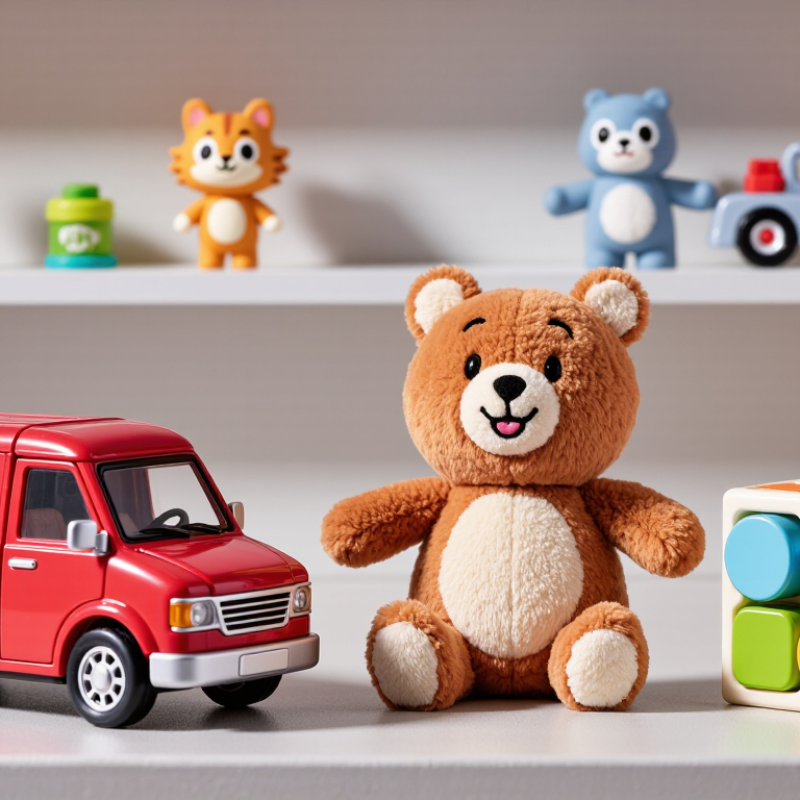
Custom promotional toy manufacturing is the process of creating small toys for a specific campaign, event, or organization. Unlike standard products, each toy reflects a chosen shape, color, message, and audience.
The process usually begins with a design brief. It may include a sketch, logo placement, preferred materials, target age, and order quantity. A manufacturer then develops a digital model and produces a physical prototype.
This sample reveals practical issues, such as weak joints, unclear details, or colors that look different under indoor lighting. Small changes matter.
Safety requires professional attention. Suitable materials, secure attachments, smooth edges, and accurate labeling should be reviewed before production. Reliable manufacturers document material sources and perform inspections during molding, painting, assembly, and packing. They may also test samples for durability and age suitability, depending on the product’s intended use and local requirements.
Experience helps, but it does not remove uncertainty. Not every first sample works. A soft surface may collect dust, while a tiny printed message may become unreadable. Careful teams revise the mold, simplify artwork, or adjust packaging before approving mass production. Quality checks should include random sample inspections, color comparison, drop testing, and packaging review. The goal is a promotional toy that feels intentional, remains practical, and represents the campaign accurately.
Custom toy manufacturing begins with a clear product brief. It defines the audience, dimensions, materials, colors, and planned quantity. Experienced manufacturers also review the toy’s intended use and age range. This step prevents attractive ideas from becoming unsafe or impractical products.
Designers then create drawings and a three-dimensional model. Engineers check proportions, moving parts, seams, and surface details. A physical prototype follows. The first sample is rarely perfect. That is normal. Small changes may improve grip, balance, or durability. However, every revision can increase cost and production time, so decisions need careful testing. Material selection matters too. Soft vinyl, silicone, fabric, and molded plastic each require different equipment and controls.
After approval, the factory produces tooling and a pre-production sample. Quality staff inspect color consistency, edges, joints, printing, and packaging. Safety testing should cover factors such as small parts, chemical limits, and mechanical strength, according to the destination market’s requirements. Mass production starts only after these checks are documented. Workers monitor molding temperatures, assembly accuracy, and defect rates during each batch. Random inspections provide useful evidence, but they cannot replace process control. In practice, a rushed approval can create avoidable waste. Clear communication and honest feedback usually protect both quality and budget.
Custom promotional toys turn a company message into something people can touch, keep, and share. A small mascot figure on a child’s desk can create repeated exposure without feeling like a direct advertisement. The 2023 ASI Ad Impressions Study reported that promotional products generate an average of 5,053 impressions during their lifetime. That reach makes useful, durable toys more valuable than short-lived promotional materials.
Customization also improves recognition. Colors, shapes, packaging, and simple character details can reflect a campaign’s visual language. Manufacturing teams can adjust size, materials, printing methods, and safety features for different audiences. This process helps control quality before mass production. It also reduces waste from unsuitable designs, although sampling still takes time and adds cost. That part is easy to underestimate.
PPAI’s 2023 sales report valued the promotional products industry at approximately 25.8 billion dollars in North America. The figure suggests sustained demand for tangible marketing tools. Custom toys can support event engagement, employee appreciation, educational outreach, and product launches. Their strongest benefit may be memorability. A toy that fits naturally into daily life can keep a message visible for months. Not every toy succeeds, however. Poor finishing, unclear safety information, or excessive packaging can damage trust faster than the product builds it.
Why Choose Custom Promotional Toys Manufacturing?
Factors to Consider When Choosing a Manufacturer
Choosing a custom promotional toy manufacturer requires more than comparing prices. Start with product experience. Can the factory produce similar shapes, moving parts, or printed details? Ask for recent samples, not only digital images. Hold the toy in your hand. Check its surface, paint edges, seams, and overall weight.
Material safety should receive close attention. Request clear documentation for plastics, coatings, inks, and other components. A reliable manufacturer should explain testing procedures and provide relevant reports. Confirm that the products meet the safety requirements of every target market. Small details matter. Loose parts can create serious problems for children. Packaging needs equal care, especially when sharp edges or small accessories are involved.
Production control is another key factor. Ask how the manufacturer manages molds, color matching, inspections, and shipment schedules. A written quality plan is more useful than confident promises. Discuss minimum order quantities, sample charges, revision limits, and delays before signing anything. Communication can reveal a lot. Do they answer technical questions clearly, or avoid them?
A lower quotation may look attractive. It may also hide weak materials or extra fees. I have learned that rushed approvals often cause expensive corrections later. Still, a perfect process is unrealistic. Designs change, and timelines slip. The important point is whether the manufacturer reports problems early and offers workable solutions. Visit the facility when possible, or request detailed production videos and inspection records. Reliable evidence beats polished sales language.
Custom promotional toys serve practical communication needs across many industries. At trade shows, small puzzles or character-free figurines can attract visitors and support product demonstrations. In education, schools use branded building kits, memory games, and science-themed toys for open days and enrollment campaigns. Their physical form makes an abstract service easier to remember.
Healthcare organizations often distribute stress balls, sensory toys, or safety-themed activity kits in family waiting areas. Hospitality businesses use compact travel games for children during check-in or seasonal events. Employers also include customized toys in onboarding boxes, wellness programs, and internal training. They create a warmer first interaction. However, poor design can make the item feel disposable.
Data supports this wider use. PPAI’s 2024 Consumer Study reported that 82% of recipients felt more positively toward an advertiser after receiving a promotional product. The study also identified usefulness as a major retention factor. The 2023 Ad Impressions Study by ASI reported that 85% of recipients remembered the advertiser on a promotional item. Grand View Research estimates that the global promotional products market reached approximately 85 billion US dollars in 2023. These figures suggest strong commercial potential, but custom toy production still requires careful age grading, material testing, and packaging control. A toy that looks attractive may fail in real use. Safety documentation and regional compliance must guide every application.
Common applications and industry uses of customized promotional toys
Custom promotional toys are commonly used for brand awareness, trade shows, retail promotions, customer giveaways, employee engagement, educational programs, and seasonal campaigns. The index reflects the relative frequency of these applications in typical promotional planning and is not a market-share measurement.
Prepare the audience, age range, dimensions, materials, colors, and expected quantity. The intended use also matters. A clear brief prevents unsafe or impractical designs.
Designers create drawings and a three-dimensional model. Engineers review proportions, moving parts, seams, grip, and surface details. A physical prototype follows. It is rarely perfect.
Revisions can improve balance, durability, and handling. A figure may tip over, or a seam may feel rough. Each revision adds time and cost. That trade-off deserves honest review.
Common options include soft vinyl, silicone, fabric, and molded plastic. Each material needs different equipment and production controls. Material choice should match the toy’s use, age range, and desired texture.
The factory produces tooling and a pre-production sample. Quality staff inspect colors, edges, joints, printing, and packaging. Workers also monitor molding temperatures, assembly accuracy, and defect rates.
Testing should consider small parts, chemical limits, and mechanical strength. Requirements vary by destination market and age group. Safety documents should be completed before large-scale production begins.
They can support events, education, healthcare, hospitality, employee programs, and product launches. Examples include puzzles, building kits, sensory toys, travel games, and activity sets. A useful item may remain on a desk for months.
A small figure or game makes a message tangible and memorable. Colors, shapes, packaging, and character details can reinforce a campaign. Still, the effect is not automatic. Poor finishing can weaken trust quickly.
Repeated sampling, complex materials, detailed printing, and rushed approvals can increase costs. Excessive packaging may create unnecessary waste. Random inspections help, but they cannot replace process control. This part is easy to underestimate.
Custom Promotional Toys Manufacturing is the process of creating specially designed toys that reflect a company’s message, theme, or campaign goals. It typically begins with concept development, followed by design, prototype creation, material selection, testing, production, quality inspection, and packaging. This structured process allows businesses to develop memorable promotional items with suitable colors, shapes, functions, and packaging while maintaining consistent quality and safety standards.
Custom promotional toys can increase brand recognition, encourage customer engagement, and create a lasting connection with target audiences. When selecting a manufacturer, businesses should consider production capabilities, customization options, material quality, communication, lead times, order quantities, and quality-control procedures. These toys can be used across many industries, including education, retail, events, hospitality, entertainment, and community campaigns. With thoughtful planning and reliable production support, customized toys can serve as practical, creative, and engaging marketing tools for different audiences.