B-55, Sector-5, Noida-201 301, Uttar Pradesh, India
🎉 Join us at Toy Biz International 2026 — 4th to 7th July 2026 at Pragati Maidan, New Delhi    |    🏭 35+ Years of In-House Toy Manufacturing Excellence    |    🌍 Trusted OEM Partner for Global Buyers    |    ✅ ISO Certified | BIS Compliant | Eco-Friendly Manufacturing
Tripple Ess Toys Blog

Latest Insights & News

Industry guides, toy manufacturing trends, safety standards & corporate updates.

0%

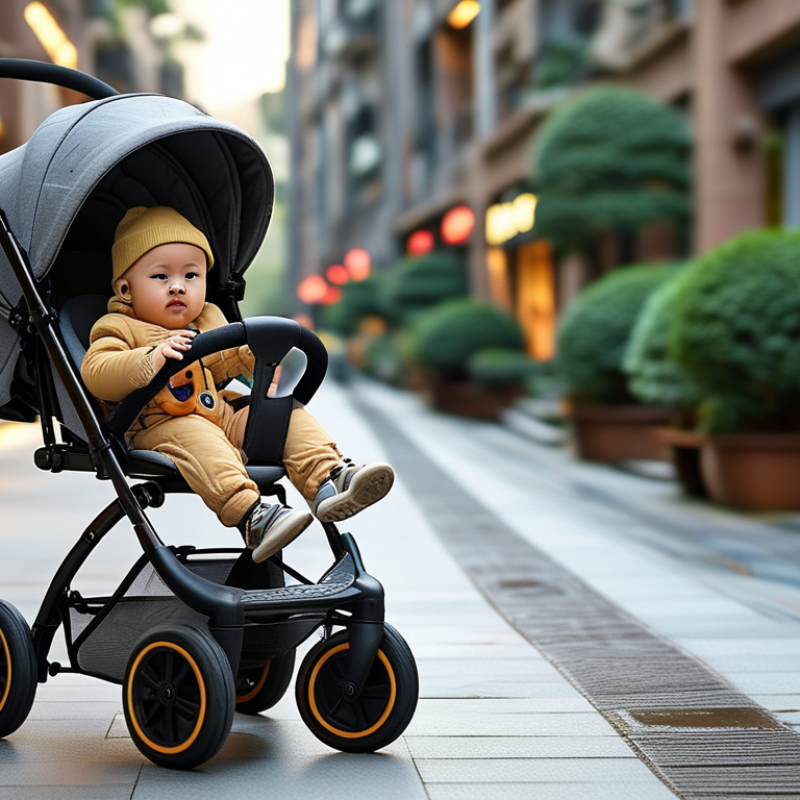
Choosing a Toddler Ride On Pushbar Car can make everyday outings more comfortable, interactive, and manageable. Instead of sitting passively in a stroller, a child can hold the steering wheel, watch the wheels move, and respond to familiar surroundings. Parents can guide the car with the pushbar while maintaining control on sidewalks, shopping areas, or quiet park paths. That balance matters during the toddler years.

A well-designed model should provide a stable base, responsive steering, secure seating, and comfortable foot support. Look for a strong pushbar, smooth wheels, and a harness that fits without pressing against the child’s shoulders. Storage space can also help during real outings. A water bottle, small snack, and favorite toy quickly become essential. Check the weight limit and assembly instructions carefully. Small details often affect daily reliability.

This type of ride-on car is not perfect. Some toddlers may lose interest after a few minutes, while others may resist the seat completely. My practical view is simple: treat it as a flexible travel tool, not a complete stroller replacement. Supervision remains important, especially near driveways, slopes, crowded paths, and uneven ground. Children should not use it near traffic or stairs. Parents also need to inspect wheels, handles, and fasteners regularly. A Toddler Ride On Pushbar Car can support movement, pretend play, and shared exploration when its design matches the child’s age, size, and temperament. The best choice is rarely the most colorful one. It is the one that feels dependable during ordinary, slightly messy family routines.
Why Choose a Toddler Ride On Pushbar Car?

What Is a Toddler Ride-On Pushbar Car?

A toddler ride-on pushbar car is a small child-sized vehicle with a parent-controlled handle. It combines playful driving with guided movement. The child usually sits on a molded seat, places feet on a footrest, and holds a steering wheel. The adult uses the pushbar to control direction and speed.

Not quite a stroller. It is also not a fully independent ride-on toy. Most models include a low seat, protective side panels, a backrest, and a simple steering system. Some have a removable pushbar, while others keep it permanently attached.

A practical design should feel stable on smooth paths and turn without sudden resistance. Small details matter.

From hands-on use, toddlers often enjoy the feeling of “driving” before they can manage safe steering. An adult should remain close, especially near steps, driveways, traffic, or uneven ground. Check the product’s age, height, and weight guidance before use. Look for clear assembly instructions, secure fasteners, and a brake or parking feature when available.

The term “toddler car” can be confusing, because features differ widely. A pushbar may improve control, but it does not remove every risk. Reflecting on that limitation helps parents choose more carefully.

How Does a Pushbar Car Support Toddler Mobility?

Why Choose a Toddler Ride On Pushbar Car?

How Does a Pushbar Car Support Toddler Mobility?

A pushbar car can give toddlers controlled movement practice before independent walking feels steady. The caregiver guides speed and direction, while the child pushes with both feet. This creates small chances to practice balance, leg coordination, reaching, and turning. A parent can notice uneven movement, tiredness, or discomfort during each short ride.

The World Health Organization recommends at least 180 minutes of physical activity daily for children aged one to two years. That activity should be spread throughout the day, according to its 2019 guidelines. A pushbar car may contribute to active play, but it should not replace floor play, climbing, walking, or family movement. The CDC’s 2022 developmental checklist expects many 18-month-old children to walk without holding onto anything. Development still varies widely.

Short sessions work best.

Use the car on a flat, open surface, away from stairs, roads, and pools. Stay within arm’s reach, even when the pushbar feels stable. The American Academy of Pediatrics emphasizes active supervision for wheeled toys and age-appropriate safety practices. In my experience, toddlers may focus so intensely on the steering wheel that they ignore obstacles. That is a real limitation. A pushbar car supports mobility, but it is not a walking trainer or a medical device. Its value depends on careful use, varied play, and the child’s individual readiness.

What Safety Features Should Parents Consider?

Why Choose a Toddler Ride On Pushbar Car?

What Safety Features Should Parents Consider?

A toddler ride-on pushbar car should support controlled movement, not simply provide entertainment. A five-point harness can keep a child secure during sudden stops or uneven pavement. Check that the straps lie flat and adjust without pinching small shoulders. Fit matters.

An adjustable pushbar gives adults better control across different heights. A reliable brake helps during pauses, slopes, or crowded walkways. Look for broad wheels, a stable base, and an anti-tip design. Slow is safer. Footrests should support both feet and prevent dragging near the wheels. Rounded edges and covered moving parts can reduce minor bumps and trapped fingers.

Parents should also inspect the frame, fasteners, and steering before every outing. A loose screw may appear harmless, but repeated vibration can make it worse. I once underestimated how quickly gravel could affect steering, so surface checks deserve more attention. Visibility matters too. Reflective details and bright colors can help others notice the car, especially near driveways. Follow the stated age and weight limits, and keep one hand on the pushbar. Do not rely on a harness as a substitute for supervision. Testing standards offer useful guidance, but they cannot predict every home route, weather condition, or child’s behavior. A careful adult still needs to watch, adjust, and rethink the setup as the child grows.

Why Choose a Toddler Ride On Pushbar Car? - What Safety Features Should Parents Consider?
Safety Feature Why It Matters What Parents Should Check Practical Safety Benchmark Priority
Stable, wide wheelbase A broad and balanced base helps reduce the risk of tipping during slow turns or when the child shifts position. Look for four firmly mounted wheels, a low center of gravity, and a body that does not rock excessively when gently pushed from the side. The car should remain stable on a flat surface during normal pushing and turning. Essential
Secure pushbar attachment The pushbar transfers the adult’s steering and stopping force to the car. A loose connection can reduce control. Check that the bar locks securely, has no sharp edges, and does not detach when moderate forward, backward, or sideways pressure is applied. Use only a pushbar that is fully inserted and locked according to the instructions. Essential
Reliable adult steering control Parents need to guide and stop the car before it reaches steps, traffic, uneven ground, or other hazards. Test whether the pushbar provides predictable steering and whether the front wheels respond smoothly without excessive looseness. The adult should be able to steer and stop the car comfortably with one hand while maintaining supervision. Essential
Effective parking brake or wheel lock A brake can help prevent unintended rolling when the car is parked or when a child is getting in and out. Confirm that the brake is easy for an adult to operate, stays engaged, and holds the car on a gentle slope. Do not rely on it on steep surfaces. Engage the brake whenever the car is stationary and during transfers. Essential
Age and weight guidance Children develop at different rates, and exceeding the product’s limits can affect balance, steering, and structural strength. Read the manufacturer’s age, height, and maximum weight information. Choose a model that matches the child’s current abilities, not only their age. Never exceed the stated maximum load or use the car outside its intended developmental range. Essential
Safety belt or restraint A properly adjusted restraint can help keep a young child seated while the car is being pushed. Check for a secure buckle, adjustable straps, comfortable fit, and instructions explaining correct use. A restraint is not a substitute for supervision. Use the restraint whenever provided and adjust it so the child cannot easily stand or slide out. Essential
Rounded edges and enclosed hardware Smooth surfaces reduce the chance of cuts, pinching, and snagging during play and everyday handling. Inspect the body, steering area, seat, pushbar, and underside for sharp edges, exposed screws, rough plastic, or accessible pinch points. All accessible surfaces should be smooth, securely finished, and free from protruding parts. Essential
Securely attached small parts Loose caps, wheels, decorative pieces, or fasteners may create choking or injury hazards for young children. Before each use, inspect wheels, covers, pedals, steering components, and decorative parts for looseness, cracks, or missing pieces. Stop using the car immediately if any component becomes loose, broken, or detachable. Essential
Non-toxic, durable materials Children may touch, chew, or place parts near their mouths. Durable materials also help prevent cracks and breakage. Look for clear material and care information, durable construction, and compliance statements for the applicable market’s toy-safety requirements. Choose products tested to the relevant current toy-safety regulations and follow all care instructions. Essential
Footrest or protected foot area A stable foot position helps prevent feet from dragging, catching under wheels, or contacting obstacles. Check that the footrest is wide enough for the child and does not allow feet to reach moving wheels during normal use. Keep both feet inside the protected foot area while the car is moving. Essential
Controlled speed and movement A slow, predictable ride gives an adult more time to react and lowers the impact risk indoors and outdoors. For pushbar models, make sure the wheels roll smoothly without freewheeling too quickly. Avoid powered ride-on functions unless they are specifically designed and rated for the child. Use walking pace only and avoid stairs, roads, driveways, pools, and steep slopes. Essential
Visible warning labels and instructions Clear warnings communicate age limits, assembly requirements, surface restrictions, and supervision needs. Make sure labels are readable and that the instructions cover assembly, inspection, cleaning, storage, and safe operating conditions. Read the instructions before first use and keep them available for future checks. Important
Regular maintenance access Worn wheels, loose fasteners, and damaged steering parts can reduce stability and control over time. Inspect the car before every use and tighten or replace parts only as directed by the manufacturer. Do not improvise repairs or continue using the car after structural damage is found. Essential
Appropriate play environment Even a well-designed car can become dangerous near vehicles, stairs, water, slopes, or uneven surfaces. Choose a flat, dry, obstacle-free area away from traffic and supervise the child within arm’s reach. Use the car only on safe surfaces suitable for the product and never leave a toddler unattended. Essential

Safety reminder: A toddler ride-on pushbar car is a supervised mobility toy, not a stroller or road vehicle. Always follow the product instructions and applicable local safety requirements.

Which Benefits Does a Pushbar Car Offer Families?

A toddler ride-on pushbar car gives families more control during short outdoor trips. An adult steers from behind, while the child enjoys a low, engaging seat. This arrangement can reduce carrying, especially when small legs become tired near parks or shopping areas. It also supports conversation, observation, and simple choices, such as turning left or stopping. However, it is not a replacement for independent walking. That distinction matters.

The World Health Organization recommends at least 180 minutes of varied physical activity daily for children aged three to four. A pushbar car can help families reach outdoor spaces, but it should not become all-day seating. The U.S. Consumer Product Safety Commission reported 145,500 toy-related emergency department injuries among children under 15 in 2022. That figure covers many toy types, not pushbar cars specifically. Still, it reinforces careful supervision, age suitability, and regular equipment checks. Real-world use is messier than product descriptions suggest.

Tips: Choose a model with a stable base, secure restraints, and smooth steering. Check wheels, fasteners, and the push handle before every outing. Keep both hands available. Use sidewalks away from traffic, avoid steep slopes, and never leave a child unattended. A helmet may be sensible when the vehicle moves quickly, although it does not prevent every injury. Families should also measure storage space first; a bulky car can become frustrating indoors.

How Can Parents Choose the Right Pushbar Car?

Why Choose a Toddler Ride On Pushbar Car?

How Can Parents Choose the Right Pushbar Car?

Choosing a toddler ride-on pushbar car starts with your child’s daily routine. Consider age, height, weight, and balance skills, not appearance alone. The seat should support an upright posture, while the footrest should prevent dangling feet. A wide wheelbase can improve stability on smooth paths. Check the stated weight limit carefully. A heavier child may make pushing and steering harder.

The parent handle also deserves close attention. It should feel firm, turn smoothly, and suit the adult’s height. Look for a reliable safety belt, rounded edges, and strong wheel covers. Test the car on your usual surfaces, such as pavement, garden paths, or indoor floors. Some wheels perform well indoors but feel rough outdoors. That detail is easy to miss. Also, confirm whether the handle, canopy, and footrest can be adjusted or removed as your child grows.

Tips: Push the car before buying it, if possible. Check for wobbling, loose joints, and sharp plastic edges. Ask whether replacement parts and clear instructions are available. A car that looks exciting may still be uncomfortable after ten minutes. I used to underestimate handle height, but a poor angle can strain the shoulders. Parents should also remember that no belt replaces supervision. Stay close near driveways, steps, and crowded walkways. A quiet test ride can reveal more than a bright color or attractive shape.

FAQS

What is a toddler ride-on pushbar car?

It is a small child-sized vehicle with a parent-controlled handle. The child sits low, holds a steering wheel, and rests both feet. The adult controls direction and speed from behind. Not fully independent.

Is it the same as a stroller?

No. It offers a playful driving experience instead of a typical stroller seat. Most models include a molded seat, backrest, side panels, and footrests. Some pushbars detach. Others remain attached. The difference matters.

Which safety features should parents check?

Look for a secure harness, broad wheels, a stable base, and covered moving parts. Rounded edges can reduce small bumps. An adjustable pushbar may improve adult control. A brake or parking feature is useful during pauses.

How should the harness fit?

The straps should lie flat across the child’s body. They should adjust without pinching the shoulders. Check the fit before every outing. A harness helps. It does not replace supervision.

Where can children safely use this vehicle?

Choose smooth sidewalks away from traffic, steep slopes, and busy driveways. Avoid steps, loose gravel, deep puddles, and uneven ground. Keep one hand on the pushbar. Stay close.

What should parents inspect before each trip?

Check the wheels, frame, steering, fasteners, and pushbar connection. A loose screw can worsen through repeated vibration. Test turning on a clear surface. Small checks prevent larger problems.

Can a pushbar car replace walking?

No. It may reduce carrying during short trips when tired legs need help. Children still need varied movement, walking, and active play. Avoid using the vehicle as all-day seating. That is easy to overlook.

What should families consider before buying one?

Check the child’s age, height, and weight against the stated guidance. Measure indoor storage space before choosing a bulky model. Look for clear assembly instructions and secure fasteners. Product descriptions can sound reassuring, but real paths are messier.

Conclusion

A Toddler Ride On Pushbar Car is a child-sized ride-on vehicle equipped with a handle that allows an adult to guide, steer, and control the pace. It offers toddlers an enjoyable way to experience movement while developing confidence, balance, and basic coordination. Unlike a standard ride-on toy, the pushbar gives parents greater control during walks, making it suitable for children who are not yet ready to manage a vehicle independently.

When choosing a pushbar car, parents should consider a stable design, secure seating, reliable brakes, smooth steering, foot protection, and comfortable safety features such as a seat belt or supportive backrest. A durable frame, easy-to-clean materials, and an adjustable handle can also improve everyday convenience. The right Toddler Ride On Pushbar Car can support family outings by combining play, mobility, and parental supervision in one practical product. Parents should select a model that matches their child’s age, size, abilities, and the environments where it will be used.

Oliver

Oliver

Oliver is a dedicated marketing professional with a strong understanding of product strategy, customer needs, and industry trends. Through years of experience working closely with product development, sales, and customer service teams, he has developed a highly professional knowledge of the......