A Toddler Potty Training Ride On combines a child-sized potty with a small ride-on toy. It may look like a compact plastic car, with a removable bowl beneath the seat and wheels that invite little hands to explore. The appeal is easy to understand: the potty feels less unfamiliar, and the child can approach it through play. Still, playfulness alone cannot make a child ready.
The American Academy of Pediatrics’ HealthyChildren.org guidance describes readiness as developmental, not tied to one birthday; many children show signs between 18 and 24 months, while others take longer. That is useful context, not a product-performance report. Market reports may track children’s products, but sales figures cannot show whether a particular potty suits a child or speeds training. Pediatrician Dr. Mark Wolraich, an author of AAP toilet-training guidance, emphasizes the same principle; in paraphrase, readiness matters more than a fixed age.
Look for practical details: a stable base, smooth edges, an easy-to-remove bowl, and a seat height your toddler can manage. A ride-on design may encourage curiosity, but it can also distract from sitting calmly. Small difference. Parents should supervise use and follow the manufacturer’s instructions, especially around moving wheels and bathroom floors. No single design works for every family. A bright toy-like potty may be inviting, yet some children prefer a quiet, ordinary seat. That part is easy to overlook. This guide explains what a Toddler Potty Training Ride On is, how its parts work, and what to consider before bringing one home.
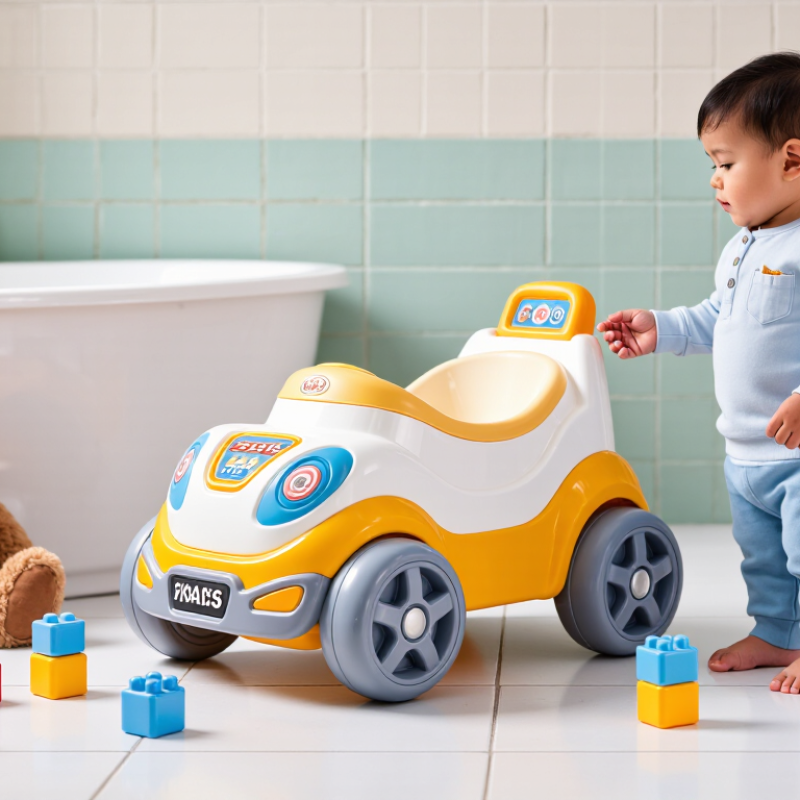
What a Toddler Potty Training Ride-On Is
A toddler potty training ride-on is a small potty designed with the playful look of a ride-on toy. Its familiar shape may make the bathroom feel less intimidating, especially for a child who likes pretend play. Designs vary: some include handles or a removable bowl, while others simply have a toy-like body. It is still a potty, not a moving toy. Place it on a level floor and use it only as directed.
A child should be able to sit comfortably, with feet supported where possible. This helps them feel steady and makes getting on and off easier. Let your toddler explore the potty before expecting them to use it. A few minutes of pretend play can help. Still, a cheerful design does not guarantee quick progress; children learn at different rates, and accidents are part of learning. I once expected a novelty potty to solve hesitation right away. It did not.
Tips: Check stability, cleanability, and the maker’s age and weight guidance before use. Keep the potty nearby, offer calm encouragement, and avoid forcing a sitting session. If toileting brings ongoing pain or concern, ask a pediatric health professional.
Key Features and How It Works
A toddler potty training ride-on combines a child-sized potty with the playful shape of a small vehicle. Its design can make the bathroom feel less unfamiliar, but the potty should remain the main attraction. Some models have decorative wheels; others may roll. Check how yours is designed before letting a child climb on.
Useful features include a low seat, a wide base, and easy-to-grip handles. A removable inner bowl makes emptying and cleaning simpler, while a splash guard can reduce mess for some children. Small details matter. Smooth surfaces and few hard-to-reach gaps help caregivers clean the potty thoroughly. The playful shape may encourage interest, though it can distract a child who wants to play instead of sit.
To use it
Place the potty on a flat floor and keep it still while your toddler sits. Keep it still. Offer calm encouragement, then remove the bowl to empty and wash it according to its care instructions. Stay nearby, especially while your child is climbing on or off. If the model has working wheels, do not let a child ride it while seated on the potty. Check the product’s weight guidance and inspect it regularly for loose parts. Training takes time, and one design will not suit every toddler.
How It Supports Potty Training
A toddler potty training ride-on is a child-sized potty styled like a small ride-on toy. Its low seat and familiar shape can make the bathroom feel less intimidating. A toddler can sit with feet supported, notice their body’s signals, and practice pulling clothes down and sitting independently. Keep it on a flat surface, and stay nearby; playful design does not replace adult supervision.
The support comes from making practice feel approachable, not from speeding up development. A prospective Pediatrics study followed 378 children and found that starting training before 27 months did not lead to earlier completion. The American Academy of Family Physicians notes that readiness varies, with many children showing signs between 18 and 24 months. Look for practical cues: a dry diaper for a stretch, interest in the toilet, or the ability to follow a simple direction. Small routines help. Offer a calm sit after waking or before bath time, without pressure or scolding. Still, a ride-on potty is not magic. Some toddlers may prefer a plain potty, and some will only want to play with this one. That can be frustrating. Let the child’s response guide the next step.
What Is a Toddler Potty Training Ride-On? How It Supports Potty Training
A ride-on potty is a child-sized potty designed to look or feel like a ride-on toy. Its playful design may help make sitting on the potty feel more familiar and inviting.
How to read this chart: The bars show the order of a simple routine, not measured results or potty-training success rates. Offer the potty regularly, encourage your toddler to sit, and praise their efforts. A ride-on potty can make practice more engaging, but readiness and progress vary from child to child.
Choosing a Suitable Ride-On Potty
Choosing a suitable ride-on potty starts with fit, not appearance. The American Academy of Pediatrics’ HealthyChildren guidance places many children’s readiness signs around 18–24 months, while noting that timing varies. That range is a guide, not a deadline. Check that your toddler can sit with feet supported and knees slightly bent; dangling legs can make a small seat feel less secure. A stable, low seat matters more than bright colors or extra sounds.
Look for a broad base, a comfortable seat opening, and a removable bowl that an adult can clean easily. If the potty has wheels, check whether they lock firmly before your child sits. “Ride-on” can sound fun, but movement during toileting may distract a hesitant toddler. Fit matters. Measure your child against the seat, and inspect edges for hard seams that might press into thighs. The product label may list weight limits; follow them rather than guessing.
I would not assume that added features make training faster. A simple design can be easier to use consistently, though every child reacts differently. Let your toddler sit fully clothed before the first attempt, then notice whether they seem steady and relaxed. A small mismatch is easy to overlook in a shop. At home, it matters.
Safe Use and Basic Care
A toddler potty with a ride-on shape can make toilet practice feel familiar, but it should remain a bathroom tool. Place it on a flat, dry floor, away from stairs and doorways. Check that the base does not wobble before each use. Stay close while your child climbs on or off. Do not let them stand, bounce, or roll on it. Small slips happen quickly. Encourage your child to keep their feet on the floor, or use a stable step if the product instructions allow one. Never force them to sit; pause if they seem uneasy.
After use, empty the bowl promptly and clean surfaces that may have touched skin or waste. Follow the care instructions for suitable cleaners, and never mix cleaning products. Rinse away residue when directed, then let the parts dry fully before reassembly. Wash your hands and help your child wash theirs. Check hinges, removable bowls, grips, and plastic edges for looseness, cracks, or sharp wear. Stop using the potty if a part is damaged. It is easy to miss a splash under the rim, so take a second look. Store the potty somewhere clean, away from places where it could become a climbing target.
What Is a Toddler Potty Training Ride On? - Safe Use and Basic Care
| Topic |
What to Know |
Practical Guidance |
| What it is |
A toddler potty shaped like or styled as a small ride-on vehicle. It is intended for toileting, not for riding around like a toy. |
Use it only as directed in the product instructions, and make its toileting purpose clear to your child. |
| Choosing a model |
Models vary in size, shape, stability, and removable parts. A comfortable seat and a base that sits firmly on the floor can make use easier. |
Check the stated age and weight limits, dimensions, and assembly instructions before use. |
| Readiness |
Children develop toileting skills at different rates. Showing interest, noticing when they need to go, and following simple directions may be signs of readiness. |
Offer calm, low-pressure opportunities. Avoid forcing a child to sit or treating accidents as misbehavior. |
| Safe placement |
A potty can shift if placed on an uneven or slippery surface. |
Set it on a level, stable floor away from stairs, heaters, and walkways. Keep the area dry and clear. |
| Supervision and use |
Toddlers may lose balance while sitting, standing, or getting on and off. |
Stay nearby and help as needed. Do not allow standing on, pushing, or riding the potty. |
| Emptying and cleaning |
Some potties have a removable bowl; designs differ. |
Empty contents into the toilet promptly. Wash the bowl and potty surfaces with mild soap and water, then rinse and dry. Follow the manufacturer’s cleaning instructions. |
| Hygiene |
Contact surfaces can collect germs during regular use. |
Wash hands with soap and water after toileting and after cleaning the potty. Keep cleaning supplies out of children’s reach. |
| Inspection and storage |
Loose parts, cracks, or damaged surfaces can affect safe use and cleaning. |
Check the potty regularly, secure parts as instructed, and stop using it if it is damaged. Store it in a clean, dry place. |
Note: Product features and care requirements vary. The manufacturer’s instructions take priority, and a child should never be left unattended on a potty.
Conclusion
A Toddler Potty Training Ride On is a child-sized potty designed with a ride-on shape or playful features to make the transition from diapers to using the toilet feel more approachable. It typically includes a stable base, a comfortable seat, and a removable container for easy emptying. Depending on its design, it may also have handles or simple interactive details. The child sits on it much like a regular potty, and the caregiver can remove and clean the container after use.
A ride-on potty can help make practice feel familiar and encourage a toddler to sit and try, while each child’s readiness and progress will differ. When choosing one, consider the child’s size, comfort, stability, ease of cleaning, and whether it suits your home. Place it on a level surface and supervise use, especially when the child is climbing on or off. Regularly wash and dry the seat and container, and check for loose or damaged parts to keep the potty comfortable and ready to use.