
Meet our engineering team at Toy Biz International 2026 — 4 to 7 July 2026, Pragati Maidan, New Delhi, India • OEM & ODM tooling slots now open for the 2026 export season
The 2026 wholesale market is becoming more selective. Buyers want safe, attractive, and dependable products that families can trust. This Kids 3 Wheel Kick Scooter guide examines the details behind successful purchasing decisions. It focuses on product design, supplier capability, quality control, and practical retail value.
A three-wheel layout can offer young riders greater balance during early practice. Wide front wheels, a responsive steering system, and a stable deck may improve confidence. However, these features must work together. A colorful scooter is not automatically a reliable scooter. Wholesale buyers should examine frame materials, wheel hardness, brake response, handlebar adjustment, grip texture, and surface finishing. Small details matter. A loose component can damage customer trust.
This guide also considers factory experience, sample evaluation, production consistency, packaging protection, and communication speed. Ask for clear specifications and recent quality records. Inspect samples on smooth floors and slightly uneven surfaces. Watch how the scooter turns, stops, and supports different riding postures. Real testing reveals more than product photos.
Still, no wholesale guide can remove every uncertainty. Supplier claims may sound polished, while actual batches vary. That possibility deserves attention. Buyers should compare samples, confirm inspection procedures, and review order terms carefully. Market preferences can also change faster than expected. A design popular today may feel ordinary next season.
The goal is practical judgment, not exaggerated promises. With careful research and honest evaluation, retailers can identify a Kids 3 Wheel Kick Scooter range that combines child-friendly performance, visual appeal, and sustainable business value.
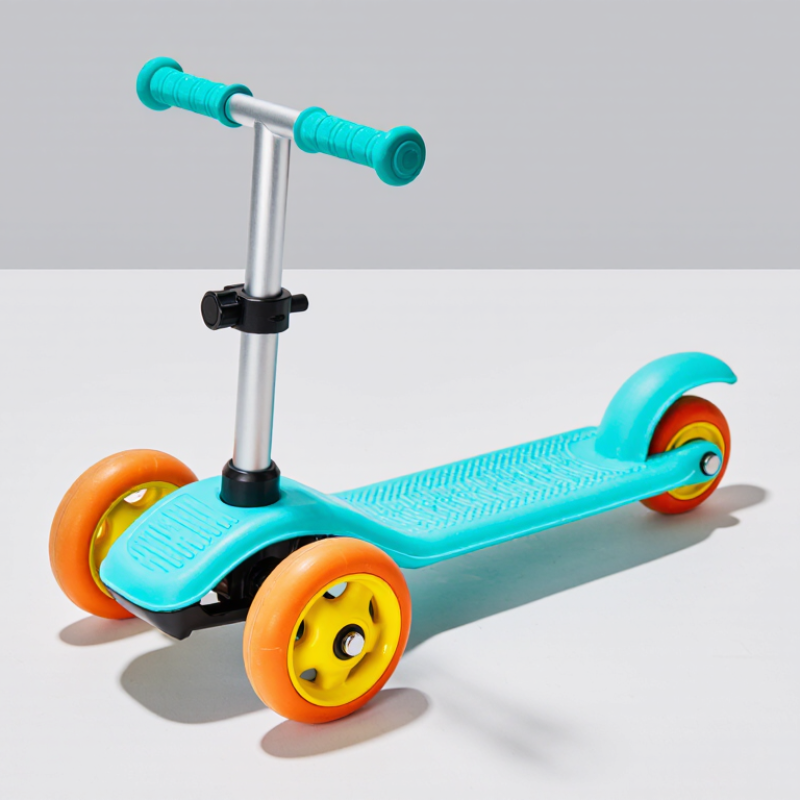
The 2026 market is moving toward scooters that combine balance support, easy steering, and compact storage. Three-wheel designs remain popular because younger riders can practice turning without constant adult correction. Buyers now examine deck width, wheel material, handlebar adjustment, and total product weight. A stable scooter should still feel manageable when carried up stairs.
From wholesale experience, product details matter more than colorful packaging. A durable model usually has a reinforced deck, secure grips, smooth wheel rotation, and a brake that responds without sticking. Test samples on tile, concrete, and slightly rough pavement. Watch for rattling parts after repeated turns. Small faults become expensive when a shipment contains hundreds of units.
The market is not perfectly predictable. Some buyers prefer light frames, while others accept extra weight for stronger construction. I may be too cautious, but unclear age guidance can create confusion during sales. Wholesale teams should request material information, inspection records, assembly instructions, and packaging dimensions before placing large orders. Local safety requirements also deserve careful review. A scooter that looks attractive in a catalog may feel unstable in real use. Short videos of steering tests can reveal more than polished product photos. Need better data? Ask for it.
In hands-on product inspections, stability is the first feature I check. A wide front stance helps reduce sudden tipping during turns. The deck should have a coarse, non-slip surface. Small feet need dependable traction, especially near wet entrances or smooth indoor floors. Rounded edges and covered bolts can reduce painful contact points. Fit matters. Adjustable handlebars should suit the child’s height without excessive wobble.
A responsive steering system supports controlled movement. It should turn smoothly, but not swing freely. Test several units for identical resistance. Quality differences sometimes appear within one shipment. A rear brake should be easy to press with a small shoe. Check whether it stops the rear wheel without scraping the ground. Soft, comfortable grips help children maintain control during longer rides. Bright colors or reflective details can improve visibility in dim areas.
Wholesale buyers should request load testing, material information, and clear assembly instructions. Inspect folding parts, if included, for finger pinch risks. Screws must remain tight after repeated use. Do not rely only on attractive packaging. I once underestimated handlebar looseness because the display sample felt solid. That assumption fails when cartons travel far. Sample testing should include turning, braking, vibration, and repeated deck loading. Keep inspection records for each production batch. A scooter can look safe and still need adjustment.
For a 2026 kids’ three-wheel kick scooter, age fit matters more than flashy colors. Children aged two to four usually need a low, wide deck and lean-to-steer movement. This design supports balance without demanding precise handlebar control. Choose soft grips, rounded edges, and a handlebar that reaches the child’s waist. A light frame also reduces lifting strain for parents.
Children aged five to seven can manage a narrower deck and sharper turning response. Adjustable handlebars extend product life for wholesale buyers. However, excessive adjustment range can create loose joints. Check every locking mechanism during sampling. For children over eight, a larger deck, stronger axle, and higher weight capacity may be suitable. The design must still match the rider’s height and coordination, not only the package age label.
Safety evidence deserves attention. The WHO reports that injuries and violence cause about 4.4 million deaths globally each year, with roughly 1.5 million among people aged 5–29 (WHO, Injuries and violence: the facts, 2021). Scooter products should follow relevant non-powered scooter standards, such as ASTM F2264, and CPSC consumer safety guidance.
A practical receiving check includes steering alignment, wheel spin, brake response, and fastener tightness. Small defects matter. I once underestimated handlebar stability during a sample review; children notice that weakness immediately. Age grouping is useful, but it is not perfect. Real children develop differently. Resellers should request test records, material specifications, and clear user instructions before placing bulk orders.
A practical three-wheel scooter should balance stability, weight, and shipping efficiency. For younger riders, buyers often request two front wheels, a low deck, and a non-slip surface. A 120–125 mm front wheel size offers a useful starting point. Adjustable handlebars can extend product life, but they may increase assembly time and packaging volume.
Market evidence supports cautious planning. Grand View Research forecasts the global kick scooter market to grow at roughly 4–5% annually through 2030. However, its category includes adult and electric models, so it cannot predict children’s three-wheel demand precisely. Circana’s recent toy-industry reporting also shows that price-sensitive families remain important in physical play categories. That matters for wholesale positioning.
A working 2026 factory estimate may range from 12 to 28 US dollars per unit before freight, based on frame material, wheel quality, packaging, and order quantity. This is not a fixed market price. A 500-unit order may carry higher costs than a 2,000-unit order, yet smaller orders reduce inventory risk. Ask for carton dimensions, gross weight, spare-part rates, and sample testing before confirming production. Request documentation aligned with applicable toy-safety requirements, such as ISO 8124 or ASTM F963, where relevant to the destination market.
My own planning error would be treating the lowest quote as the best deal. It rarely includes inspection, replacement parts, or delayed-season inventory. Allow eight to twelve weeks for production and transport, then keep a small buffer for port or packaging problems.
2026 Top Kids 3 Wheel Kick Scooter Wholesale Guide
A dependable supplier should provide clear factory details, production records, and consistent communication. Ask for recent samples before discussing large volumes. Samples reveal habits. Check the frame joints, handlebar movement, deck grip, wheel alignment, and rear brake response. A stable scooter should roll smoothly without rattling or sharp edges. Request documented material specifications and age-appropriate safety testing from qualified laboratories. Do not rely on attractive photos alone.
Quality control must continue after approval. Require a written inspection plan covering dimensions, tightening, surface finish, packaging, and functional tests. A practical batch check can include weight limits, repeated steering movement, brake operation, and carton drop resistance. Keep inspection photos and serial or batch references for traceability. Small errors matter. I would also compare a production sample with the approved sample, because substitutions can appear during busy seasons. This step is easy to overlook.
Shipping decisions affect landed cost and customer satisfaction. Confirm carton size, gross weight, pallet use, loading dates, and agreed trade terms in writing. Sea freight may suit larger orders, while air freight helps with urgent replenishment. Shipments need buffers. Weather, port congestion, and document corrections can extend delivery times. Use moisture protection and strong inner restraints to reduce damage. Ask the supplier for commercial invoices, packing lists, and destination-specific documents, then verify requirements with qualified local professionals. A low quote is not always efficient; sometimes it hides weak packaging or unrealistic lead times.
Supplier evaluation priorities based on practical quality-control and shipping considerations for wholesale buyers.
The chart uses a 100-point purchasing evaluation model. Product safety and quality control receive the highest weighting, followed by landed-cost efficiency, production capacity, documentation, and delivery reliability. Buyers should verify test reports, production samples, carton specifications, inspection records, and agreed shipping terms before placing a wholesale order.
Three wheels offer balance support during early practice. Children can turn without constant adult correction. Steady steering helps.
Choose a low, wide deck with rounded edges. Lean-to-steer movement feels easier for beginners. Soft grips matter.
A narrower deck and sharper turning response may work better. Adjustable handlebars can extend product use. Check locking joints carefully.
Children over eight may need a larger deck and stronger axle. The weight capacity should match the rider. Height and coordination still matter.
Test samples on tile, concrete, and slightly rough pavement. Check wheel rotation, steering alignment, brake response, and fasteners. Listen for rattling after repeated turns.
A stable scooter should remain manageable when carried upstairs. A light frame reduces lifting strain for parents. Stronger construction may add weight.
Request material details, inspection records, assembly instructions, and package dimensions. Ask for clear age guidance and user directions. Good photos are not enough.
No. Children develop balance and coordination differently. Age grouping helps, but it remains imperfect. Real use can disagree.
Check rounded edges, secure grips, stable handlebars, and responsive brakes. Review applicable local safety requirements before selling. Small defects become costly in large shipments.
The 2026 Kids 3 Wheel Kick Scooter market is expected to focus on safer, more stable, and age-appropriate designs for children at different development stages. Wholesale buyers should assess features such as wide platforms, reliable braking systems, rounded edges, strong steering control, non-slip surfaces, and durable wheels. Adjustable components and suitable handlebar heights can help match scooter designs to children’s ages, sizes, balance abilities, and riding experience. Clear product instructions and appropriate safety recommendations are also important for responsible use.
For wholesale planning, buyers should compare frame materials, wheel sizes, weight limits, colors, packaging, and customization options before confirming specifications. Pricing should be evaluated alongside minimum order quantities, sample costs, production schedules, and expected seasonal demand. A dependable supplier should provide consistent quality control, material inspection, performance testing, and accurate product documentation. Buyers should also review shipping methods, lead times, packaging protection, and delivery terms to reduce supply risks and maintain stable inventory throughout the 2026 selling season.