Industry guides, toy manufacturing trends, safety standards & corporate updates.
Choosing a Baby Walker Ride On Toy in 2026 requires more than bright colors and cheerful sounds. A safe-looking design may still tip, roll too quickly, or fit poorly. Parents should examine the recommended age, weight range, seat height, wheel resistance, handle position, and material quality. Small details matter, especially on smooth floors.
Dr. Benjamin Hoffman, a pediatrician and child-safety expert, has stated, “The safest place for babies to learn to walk is on the floor.” His warning deserves attention. A ride-on toy should support supervised exploration, not replace floor play, crawling, or independent movement. Caregivers should stay close, remove stairs and cords, and test the toy before everyday use.
This 2026 Top Baby Walker Ride On Toy Buying Guide compares practical features rather than chasing marketing claims. It considers balance, steering control, cleaning ease, durability, and storage in real homes. A toy that works well on carpet may slide sharply across tile. That difference can surprise families.
No product is perfect.
Some choices remain difficult. A wider base can improve stability but may become awkward in narrow rooms. Extra buttons can entertain babies, yet they may distract from movement. The best decision depends on the child’s development, floor space, and daily supervision. This guide offers evidence-informed direction, while acknowledging that careful observation remains essential.
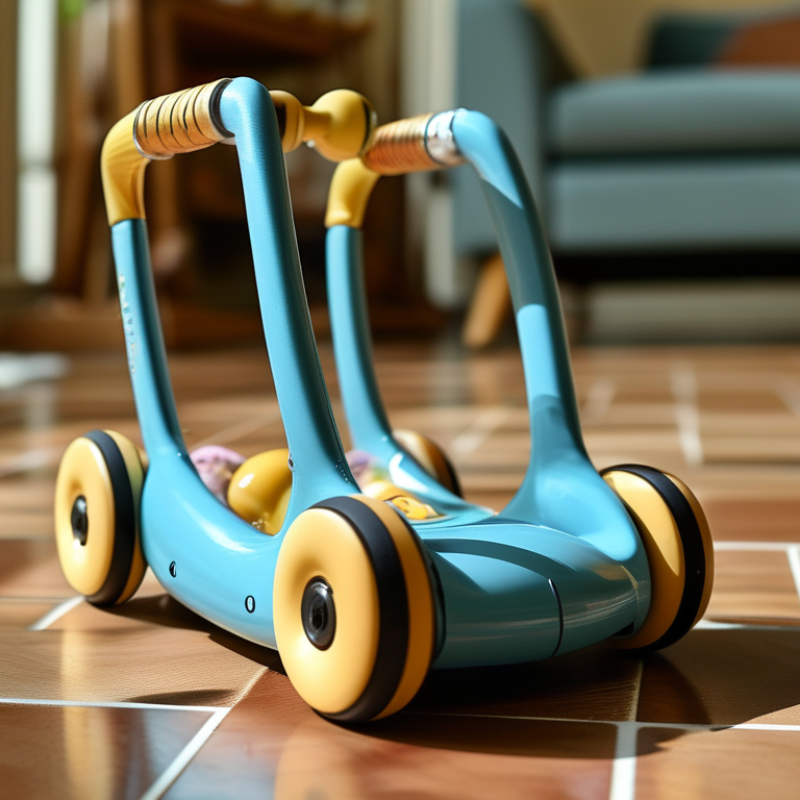
2026 Top Baby Walker Ride On Toy Buying Guide
Baby walker ride-on toys serve different developmental purposes. A push-behind walker can support cruising, balance, and early weight shifting after a child stands independently. A sit-in wheeled walker is different. It moves before the child has reliable control. The American Academy of Pediatrics has warned about walker injuries for decades. A Pediatrics study reported 230,676 walker-related emergency visits among U.S. children under 15 months from 1990 to 2014. That figure still deserves attention.
Play should remain active and supervised. WHO’s 2019 movement guidelines recommend at least 30 minutes of tummy time daily for infants who are not mobile. Floor play builds strength more directly than a ride-on toy. The toy should add practice, not replace crawling, reaching, or free movement. A stable base, slow wheels, rounded edges, and a clear floor matter. I once assumed more features meant better learning. That was too simple. Lights may attract attention, but responsive play does the deeper work.
Tips: Choose a push model only when your child can pull up steadily. Test its speed on your actual flooring. Avoid stairs, rugs, and table edges. Keep sessions brief, perhaps five to ten minutes. Check the toy before every use. Children develop unevenly, and one purchase cannot solve every delay. When balance, posture, or movement seems unusual, ask a pediatric professional rather than guessing.
Before buying a baby walker ride-on toy in 2026, identify its design. A traditional sit-in walker is not the same as a foot-powered ride-on toy. The American Academy of Pediatrics reported 230,676 walker-related injuries among young children from 1990 to 2014. About 90% involved the head or neck, according to its Pediatrics study. Stairs remain the frightening detail.
Look for a wide, stable base, a low center of gravity, and controlled movement. Test whether the toy tips when your child turns sharply or reaches sideways. Effective wheel brakes or a speed-limiting mechanism can reduce sudden rolling. Stair detection is useful, but it should never replace close supervision. I would not trust a feature merely because the packaging sounds reassuring. Check the product’s tested safety standard, age range, weight limit, and clear assembly instructions. The U.S. Consumer Product Safety Commission requires toys to meet federal toy-safety rules, including ASTM F963 requirements.
For ride-on models, inspect the seat, foot placement, steering resistance, and battery compartment. A secure battery cover should need a tool to open. No loose screws, sharp edges, exposed wires, or detachable small parts should appear after a firm hand check. The CPSC’s National Electronic Injury Surveillance System shows that falls are a recurring source of children’s toy injuries. Use the toy only on a flat, dry surface, away from stairs, driveways, and swimming pools. Some parents, including me, may underestimate speed after watching a child use it calmly indoors. That judgment can change quickly.
2026 Top Baby Walker Ride On Toy Buying Guide
Choosing the right baby walker ride-on toy starts with development, not appearance. A toy that suits a sitting infant may frustrate a crawling baby. Check whether your child can sit steadily, reach safely, and control their trunk before choosing a ride-on model. For younger babies, a stable activity toy with seated play may be more suitable. Once your child pulls up and takes supported steps, a slow push walker can encourage balance and movement. However, walking ability alone is not enough. Your child should show steady coordination and interest.
Toddlers who can walk independently may enjoy a low ride-on toy with a wide base, easy-grip handles, and limited speed. Their feet should touch the floor comfortably. Avoid toys that force stretched legs or awkward leaning. Smooth indoor floors are safer than stairs, uneven surfaces, or wet areas. Follow the manufacturer’s age and weight guidance carefully. It is easy to overestimate readiness, especially when a child appears confident for a few seconds.
Tips: Inspect wheels, handles, and seat parts before every use. Remove small accessories that could become choking hazards. Stay close during play, even when the toy seems stable. A short play session is enough. Watch for tiredness, tipping, or frustration, and stop when these signs appear. I once thought more features meant better value, but simple controls often support better learning.
Typical minimum age guidance by toy format
Age ranges are general planning references rather than universal safety limits. Sit-in walkers are commonly introduced around 6 months, push walkers around 9 months, and ride-on toys around 12 months. Always check the product’s stated age range, weight limit, safety instructions, and whether your baby can sit steadily, stand with support, or walk confidently before use.
Material choice should begin with contact points.
Look for food-contact-safe plastics, smooth edges, and securely fixed wheels. ASTM F963-23 covers important toy safety requirements, including mechanical and chemical hazards. The U.S. Consumer Product Safety Commission reported about 231,700 toy-related emergency department injuries among children under 15 in 2022. That figure is not limited to ride-on toys, but it reinforces careful product selection. I would press the seat, twist the handle, and check every seam before buying. A strong-looking shell can still hide weak fasteners.
Design affects both movement and supervision.
A broad wheelbase can reduce tipping during slow indoor travel. Low seating may help younger children mount independently, but it can also increase foot-dragging. Check whether the toy includes a stable push mode, a controlled ride mode, or both. The American Academy of Pediatrics advises avoiding traditional infant walkers with wheels, so parents should distinguish them from age-appropriate ride-on designs. Follow the stated height and weight limits closely. Age labels are useful, but they are not perfect.
Interactive functions should support play without creating overload.
Simple buttons, textured panels, and moderate sound levels encourage reaching and coordination. Excessive lights may distract a child from steering. Battery compartments should close firmly with a screw. The World Health Organization recommends limiting sedentary screen time for very young children, making physical, hands-on features more valuable. I still question products advertising dozens of functions. More features can mean more failures, cleaning problems, and noise. Test the toy on a hard floor, then reassess it on a rug.
A ride-on baby walker should be tested on a flat, clear floor before each use. Check that wheels roll evenly and stop without wobbling. Press the seat, handle, and activity parts firmly. Nothing should loosen, pinch, or detach.
The American Academy of Pediatrics reported 230,676 walker-related injuries from 1990 to 2014, using U.S. CPSC emergency-department data. That study focused on traditional walkers, not every ride-on toy. Still, it shows why movement testing matters.
Keep the toy away from stairs, pools, heaters, and raised surfaces. Use it only when the child meets the maker’s age, height, and weight guidance. A caregiver should stay within reach.
Test the brakes, if provided, with the child removed. Wipe food residue from wheels and joints. Use mild soap, then dry every part completely. Avoid oil near the floor, because it can reduce traction. Small cracks deserve attention.
Monthly checks are useful, but my own routine is not perfect. I sometimes notice loose screws late. That is a reminder, not a method. Record the check date on paper.
Retighten approved fasteners, and replace damaged parts rather than improvising repairs. ASTM F977 covers safety requirements for infant walkers, while CPSC guidance emphasizes fall and stair hazards.
Store the toy indoors, locked or upright, with wheels unable to roll. Keep it dry, shaded, and away from cords. Before reuse, repeat the full inspection.
Look for a wide base, low center of gravity, and controlled movement. Test sharp turns and side reaching. The toy should not tip easily. Check for speed limits or reliable wheel brakes. Inspect the age range, weight limit, safety testing, and assembly instructions.
Your child should sit steadily, reach safely, and control their trunk. Feet should touch the floor comfortably. Walking alone is not enough. Watch for steady coordination and genuine interest. Readiness can look convincing for only a few seconds.
Use it on a flat, dry, clear floor. Keep it away from stairs, driveways, pools, heaters, and raised surfaces. Smooth indoor flooring is usually easier to control. Never rely on stair detection alone. Stay within reach.
Check the wheels, seat, handles, battery cover, and activity parts. Press each part firmly. Nothing should wobble, pinch, loosen, or detach. Look for sharp edges, exposed wires, loose screws, and small removable pieces. A firm hand check helps.
Wipe food residue from wheels and joints. Use mild soap, then dry every part completely. Avoid oil near the floor because it can reduce traction. Check monthly, although my routine is not perfect. Record inspection dates on paper.
Stop using the toy immediately. Tighten only approved fasteners. Replace damaged parts instead of improvising repairs. Do not use tape as a permanent fix. Small cracks can grow quickly.
Test the toy without your child inside. Turn the steering sharply and watch for tipping. Check whether the wheels roll evenly and stop smoothly. Your child’s calm indoor play may hide surprising speed. Test again after every repair.
Store it indoors, dry, shaded, and away from cords. Lock it or place it upright. Prevent the wheels from rolling. Keep loose accessories away from young children. Before reuse, repeat the complete inspection.
This 2026 buying guide explains how a Baby Walker Ride On Toy can support early movement, balance, coordination, and pretend play when selected and used appropriately. It covers important safety features, including a stable base, smooth edges, secure wheels, reliable brakes or speed control, non-toxic materials, and age-appropriate construction. Parents will also learn how to match the toy with their baby’s developmental stage, considering posture, walking ability, weight limits, and supervision needs.
The guide compares common materials, shapes, colors, storage options, and interactive functions such as sound, lights, buttons, and movable components. It also offers practical advice for testing the toy before purchase, checking for loose or damaged parts, cleaning it safely, and storing it in a dry, secure place. By considering development, safety, durability, and ease of maintenance together, families can choose a suitable ride-on toy that encourages active exploration while creating a safer play experience.